
Loading articles...

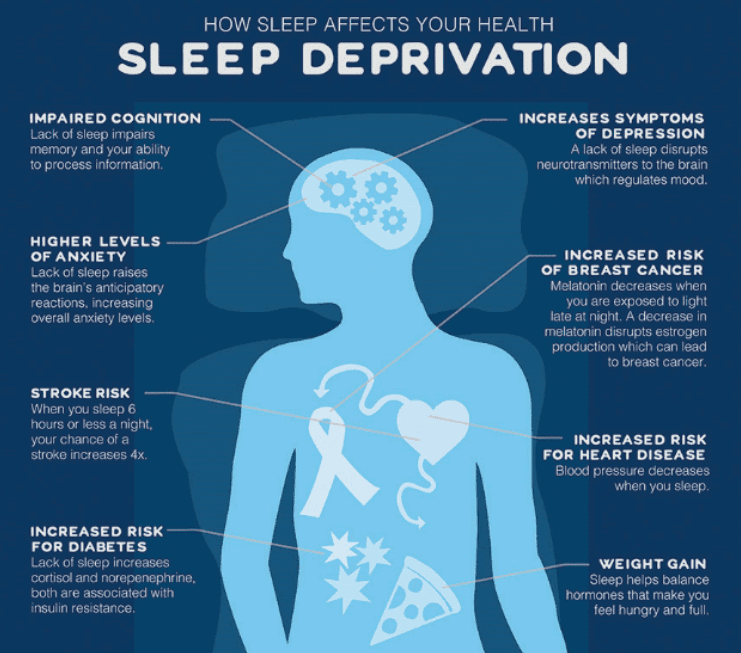
Do you sleep well? If you are a teenager, your answer will be no-day. The recommended daily amount of sleep is 8 to 10 hours. However, teens actually sleep less than 6 hours. Would this be a problem if most teens don't get enough sleep?
The answer is that it's a problem.
Lack of sleep is one of the biggest reasons for raising stress levels in adolescents. Sleeping properly doubles the pressure on academic achievement and makes them easily sensitive to trivial matters.
Adolescents who had less stress during the last school year reported more hours of sleep at night than those who had more stress (7.8 hours vs. 6.9 hours).
Teenagers with high stress levels were more likely to report trouble sleeping well.
In short, adolescents who slept less than 8 hours on a school night were found to be more stressed than those who slept at least 8 hours.
Teenagers also experience greater anxiety if they don't get enough sleep.
It is common for students to suffer from greater anxiety in the examination room. Palmer and Dr. Joanne Bower from the University of East Anglia analyzed 154 studies spanning 50 years. They found that all three types of sleep deprivation increased anxiety symptoms among participants, including:
“This has happened even after a short period of sleep, such as staying up an hour or two later than usual or not sleeping for just a few hours,” Palmer said.
“Also, sleep deprivation has been shown to exacerbate anxiety symptoms and slow the arousal of emotional stimuli.”
Results for depressive symptoms were small and inconsistent, as were outcomes for negative emotions such as sadness, worry, and stress.
Lack of sleep can adversely affect both stress and anxiety.
Therefore, it is important for teens to develop healthy sleep habits.

Balancing school with hobbies and exercise isn’t just fun—it’s essential. Discover how physical activity and creative outlets can reduce stress, boost mood, and improve teen mental health.