
Loading articles...

Cardiologists are doctors who specialize in the cardiovascular system, which includes the heart and blood vessels. If you’ve ever had chest pain, high blood pressure, or other heart-related issues, a cardiologist is the specialist you’d likely see.
Cardiologists use various tools to diagnose heart problems. These include:
Once a diagnosis is made, cardiologists might prescribe medications, recommend lifestyle changes, or in more severe cases, refer patients to cardiothoracic surgeons.
Cardiology has many sub-specialties. Some of the most common include:
Becoming a board-certified cardiologist requires at least 10 years of post-secondary education:
Cardiologists don't just treat—they innovate. A recent case involved a man with a dangerous leg clot. Traditional clot-removal methods failed, so doctors invented a novel approach called the "Super Grab A Clot and Hold ON (Super GACHON)" technique to save the patient's limb. This highlights how cardiologists continuously develop new techniques to tackle complex cases.
Cardiologists are essential to maintaining cardiovascular health. From diagnosing early-stage hypertension to performing life-saving interventions, they blend advanced technology with a deep understanding of heart physiology. With new innovations emerging regularly, cardiology remains a dynamic and vital field in modern medicine.
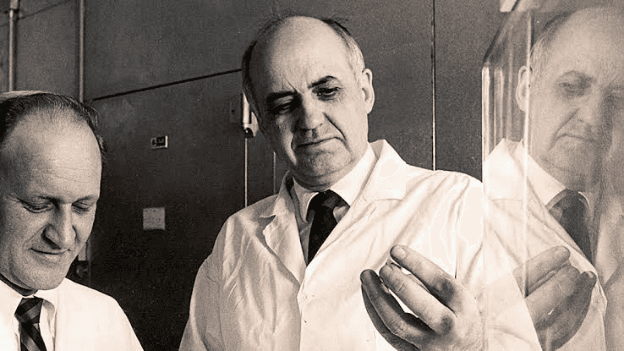
Meet Maurice Hilleman, the man behind over 40 vaccines that have saved millions of lives. Discover how a boy from Montana became one of the greatest minds in medical history.

Explore what hepatologists do, what conditions they treat, and how integrative approaches like Ayurveda may help manage chronic liver conditions.