
Loading articles...
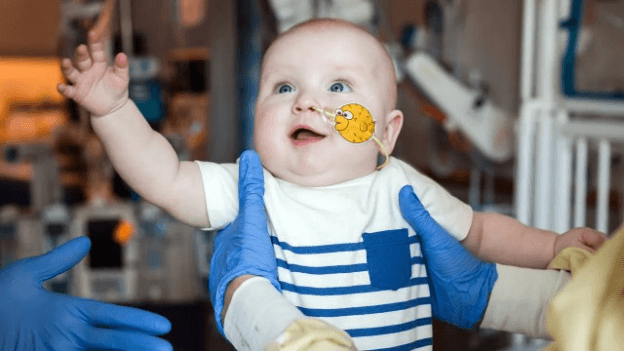
Carbamoyl phosphate synthetase 1 (CPS1) deficiency is a rare, inherited genetic disorder where the body lacks a critical liver enzyme. Without it, nitrogen cannot be processed, leading to a dangerous buildup of ammonia in the bloodstream. This neurotoxin can cause severe damage to the brain and spinal cord if left untreated.
On May 15, 2025, a research team at the Children’s Hospital of Philadelphia revealed a groundbreaking personalized gene editing therapy for a critically ill infant, nicknamed “KJ,” who was diagnosed with CPS1 deficiency. Using the CRISPR gene editing platform, scientists developed a treatment customized to target only non-reproductive (somatic) cells. This marks the first known case of CRISPR-based therapy tailored to a specific individual and administered to a living patient—offering hope for thousands facing genetic disorders.
Doctors and researchers around the world hailed this moment as a milestone in modern medicine. By treating KJ soon after birth, the team prevented irreversible neurological damage. As Dr. Rebecca Ahrens-Nicklas noted, the success came after “years and years of progress” in gene editing. Until now, liver transplant was the only possible intervention for CPS1 deficiency—one often unfeasible for newborns due to rapid ammonia accumulation.
This personalized treatment offers a new path forward for patients facing life-threatening genetic disorders once deemed untreatable.
While revolutionary, this development raises important questions:
These concerns underscore the importance of ethical oversight, transparency, and sustained investment in equitable access.
This treatment is a landmark achievement: the first successful personalized CRISPR gene therapy in a living patient. It opens doors to future innovations in treating genetic conditions from birth. Despite challenges, it provides real hope to families like KJ’s—proof that scientific advancement can rewrite what once seemed a death sentence into a story of survival and strength.
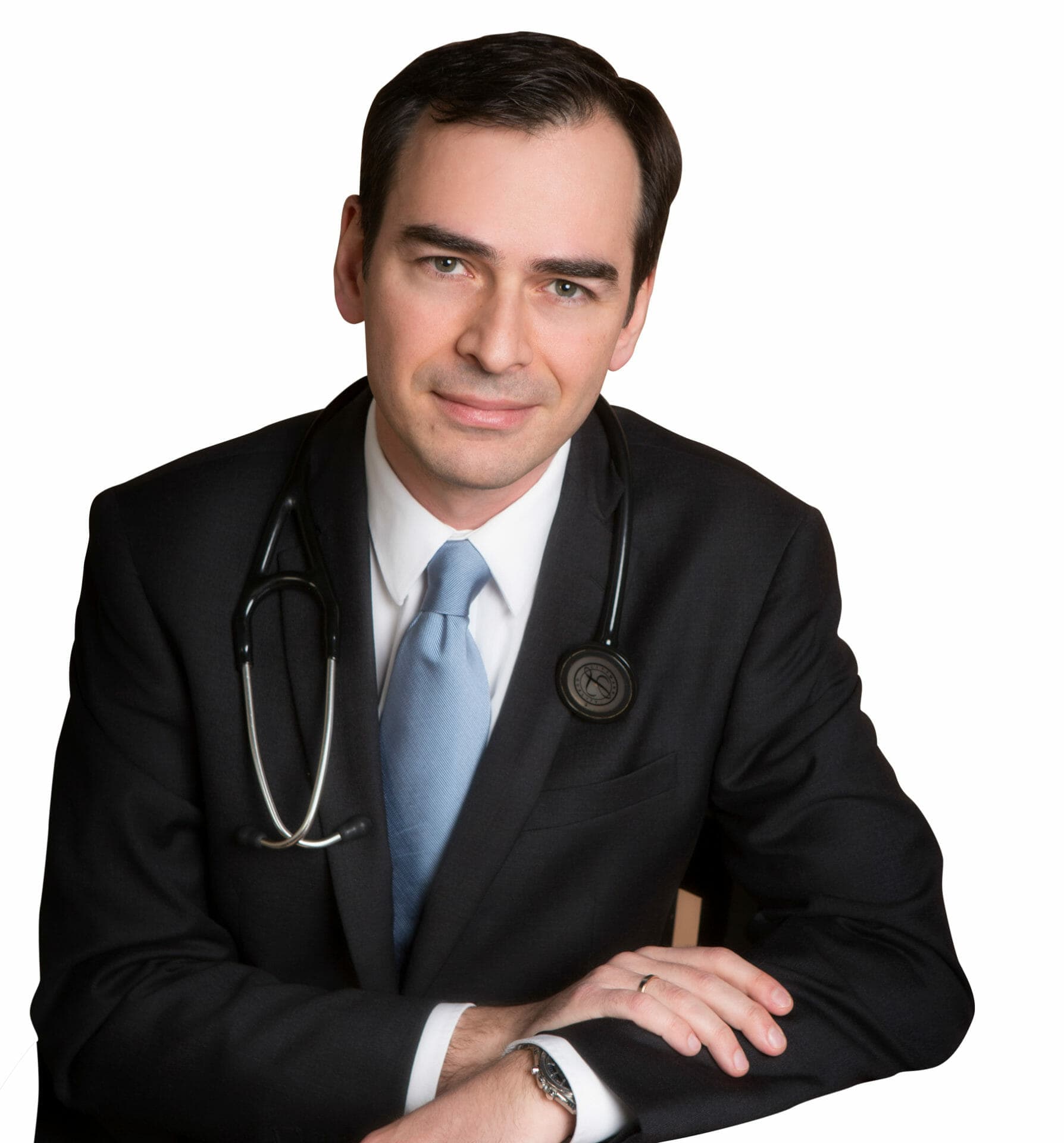
Dr. Georgios Karagiannis, a distinguished cardiologist and researcher, continues to shape the field of heart failure and preventive cardiology through his medical expertise and academic dedication.
As antibiotic resistance surges, bacteriophages—viruses that prey on bacteria—may offer a targeted, sustainable, and powerful solution to combat superbugs.