
Loading articles...
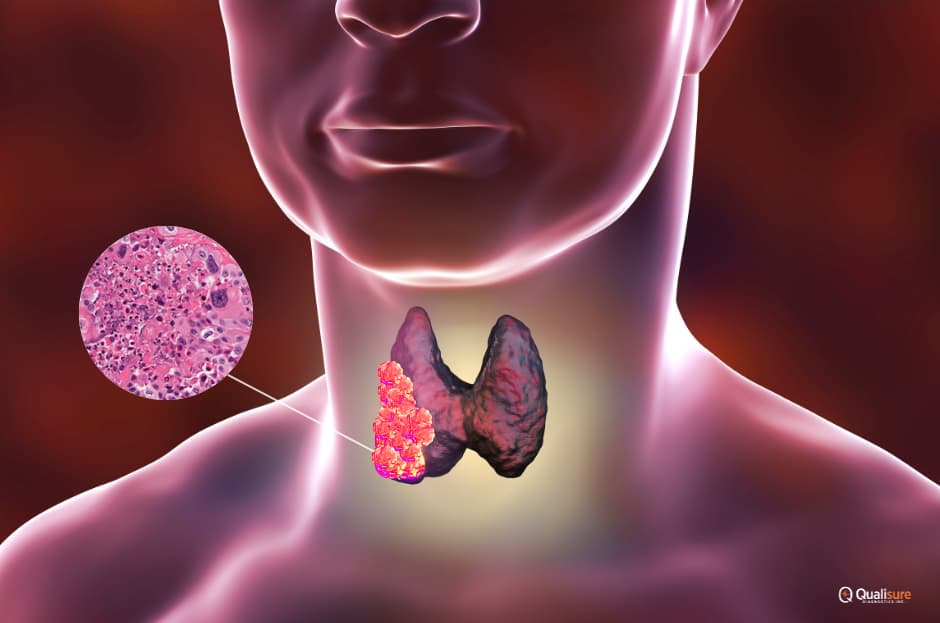
Anaplastic Thyroid Cancer is one of the fastest growing and most aggressive of all cancers. It is also referred to as "Undifferentiated Thyroid Cancer" because it acts and looks completely unlike a normal thyroid cell. Although rare, as it accounts for less than 2% of all thyroid cancers, Anaplastic Thyroid Cancer carries one of the worst prognosis of any cancer. Most patients are diagnosed at an advanced stage, which causes the median survival time to be typically less than six months after being diagnosed.
Generally, there isn't an exact causation, but Anaplastic Thyroid Cancer can sometimes develop from pre-existing differentiated thyroid cancers, such as papillary or follicular thyroid cancer, especially if they go untreated or mutate over time. These differentiated thyroid cancers can destabilize and ultimately come to anaplastic thyroid cancer. The main risk factors for anaplastic cancer mainly include an age older than 65, history of radiation exposure to the chest or neck, or a long-standing goiter, which in simple terms is an enlarged thyroid.
Due to its extremely aggressive prognosis, all patients are diagnosed with stage IV of Anaplastic Thyroid Cancers. However, Stage IV is further divided into three substages based on the extent of spread. In Stage IVA, which accounts for about 10% of cases, the cancer is confined to the thyroid gland. In Stage IVB, seen in roughly 40% of cases, the cancer has spread to nearby structures such as lymph nodes in the neck. Stage IVC, the most common form at approximately 50% of cases, involves cancer that has metastasized to distant organs like the lungs, bones, or brain.
Due to the location of ATC, Many patients with the cancer report compressive symptoms such as increased effort required for swallowing, sensation of food and pills getting stuck while being swallowed, increased pressure on trachea or shortness of breath while laying down. A rock-hard mass is often noticeable in the neck or upper chest. As the cancer progresses, it may invade surrounding structures, leading to hoarseness, further difficulty in swallowing, and the appearance of enlarged lymph nodes.
Healthcare providers perform a fine needle aspiration, also known as a needle biopsy, to diagnose ATC. First, they take a small tissue sample from the thyroid mass, using a thin needle. In some cases, they may require a core biopsy using a larger needle. Then, they look at the tissue under a microscope to see if there are cancer cells. If cancer is detected, further analysis is done to identify the specific type or classification of thyroid cancer. Once the patient has been diagnosed, doctors will ask for tests to assess your health to determine if and where the cancer will spread, with the assistance of the following scans: CT scans, MRI scans, and F-fluorodeoxyglucose PET Scans
Anaplastic thyroid cancer is hard to treat because it is extremely aggressive and has a long metastasis, spreading quickly in your neck and to distant parts of your body. Treatments involve a combination of certain procedures, such as surgery, chemotherapy, radiotherapy, Palliative care, and a multidisciplinary team of endocrinologists, medical oncologists, radiation oncologists, surgeons, etc.
Surgery is the most likely recommendation to remove the tumor unless afflicted with another medical condition. Debulking surgery is the most common as it surgically removes as much of the tumor as possible, especially any part threatening your airway. It aims to keep your larynx or voice box intact. Unfortunately, surgery isn't possible due to certain complications, including if the tumor is too large, in a sensitive location or too invasive.
Chemotherapy works by destroying cancer cells and preventing them from multiplying. It is typically used after surgery or in combination with radiation therapy to enhance its effectiveness, making the cancer more susceptible to radiation. While chemotherapy cannot cure Anaplastic Thyroid Cancer, it may help slow down or temporarily reverse tumor growth. Newer drugs are becoming more available and effective for advanced cases. Common chemotherapy drugs include taxanes (such as paclitaxel or docetaxel), anthracyclines (like doxorubicin), and platinum analogs (such as cisplatin or carboplatin).
Radiation therapy uses high-energy beams to kill or halt the growth of cancer cells. The most commonly recommended form is External Beam Radiation Therapy (EBRT), which targets focused X-rays directly at the tumor or affected areas. Radiation can be used alongside chemotherapy or as a standalone treatment if surgery isn't possible.
Palliative care focuses on relieving the pain, symptoms, and emotional stress caused by ATC. It is often recommended to manage symptoms and side effects during advanced stages of the disease. Supportive measures may include placing a tracheostomy tube in the throat to help with breathing, inserting a feeding tube in the stomach for nutrition, and using pain management medications to improve the patient's comfort and quality of life.
Anaplastic Thyroid Cancer. American Thyroid Association. (n.d.). https://www.thyroid.org/anaplastic-thyroid-cancer/
Anaplastic thyroid Cancer (ATC). (2025, March 19). Cleveland Clinic. https://my.clevelandclinic.org/health/diseases/23539-anaplastic-thyroid-cancer-atc
Anaplastic Thyroid Cancer | Columbia University Department of Surgery. (n.d.). Columbiasurgery.org. https://columbiasurgery.org/conditions-and-treatments/anaplastic-thyroid-cancer
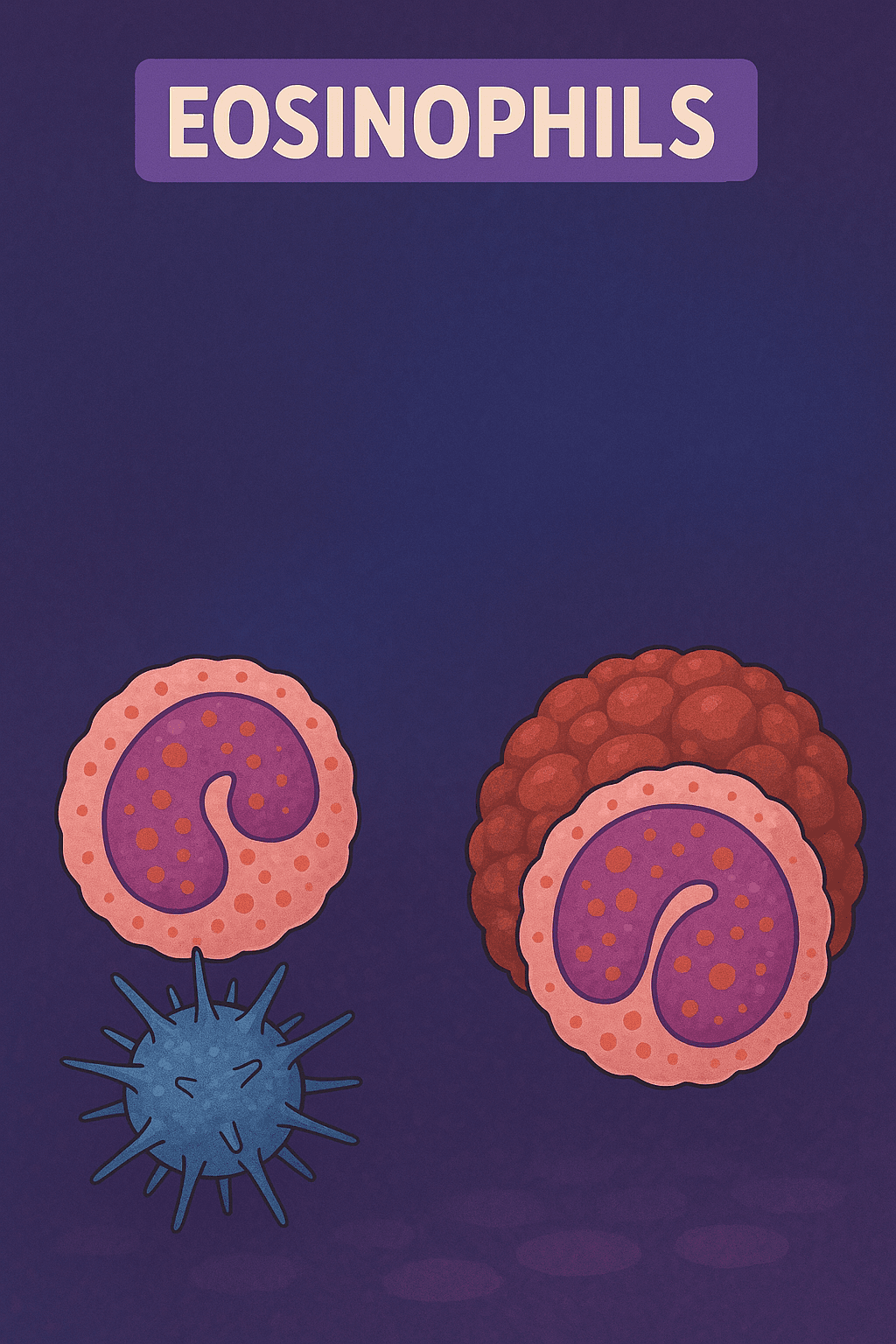
Explore how eosinophils, once known for their role in allergies and parasites, are now influencing cancer outcomes—sometimes acting as defenders, other times as accomplices in tumor progression.
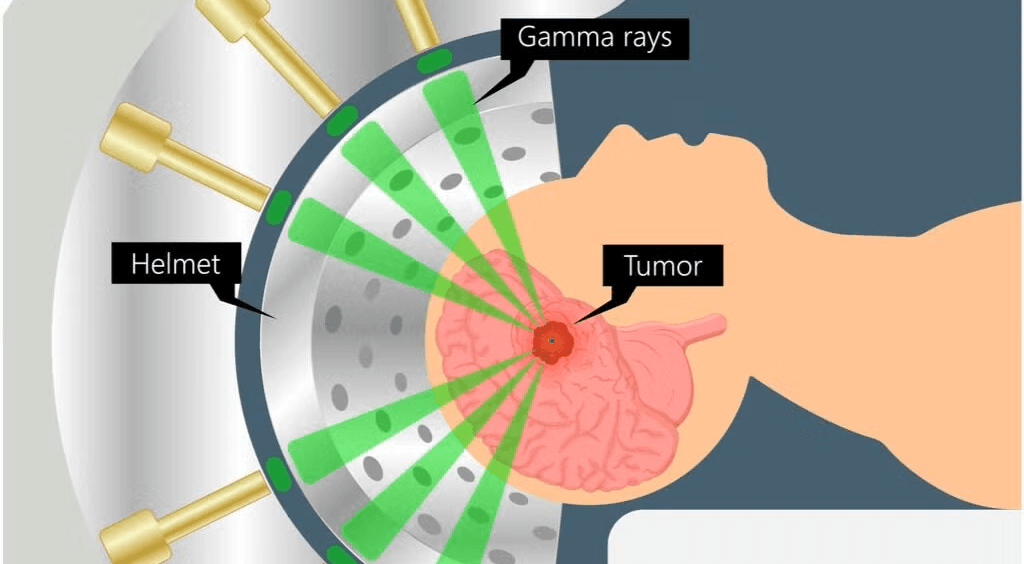
Stereotactic Radiosurgery (SRS) is a non-invasive cancer treatment that uses precise, high-dose radiation beams to target tumors, especially in the brain, spine, and lungs. It delivers focused radiation with minimal damage to healthy tissue, often in just 1–5 sessions. SRS is ideal for small, well-defined tumors and offers quick recovery, though it's not suitable for larger or widespread cancers.
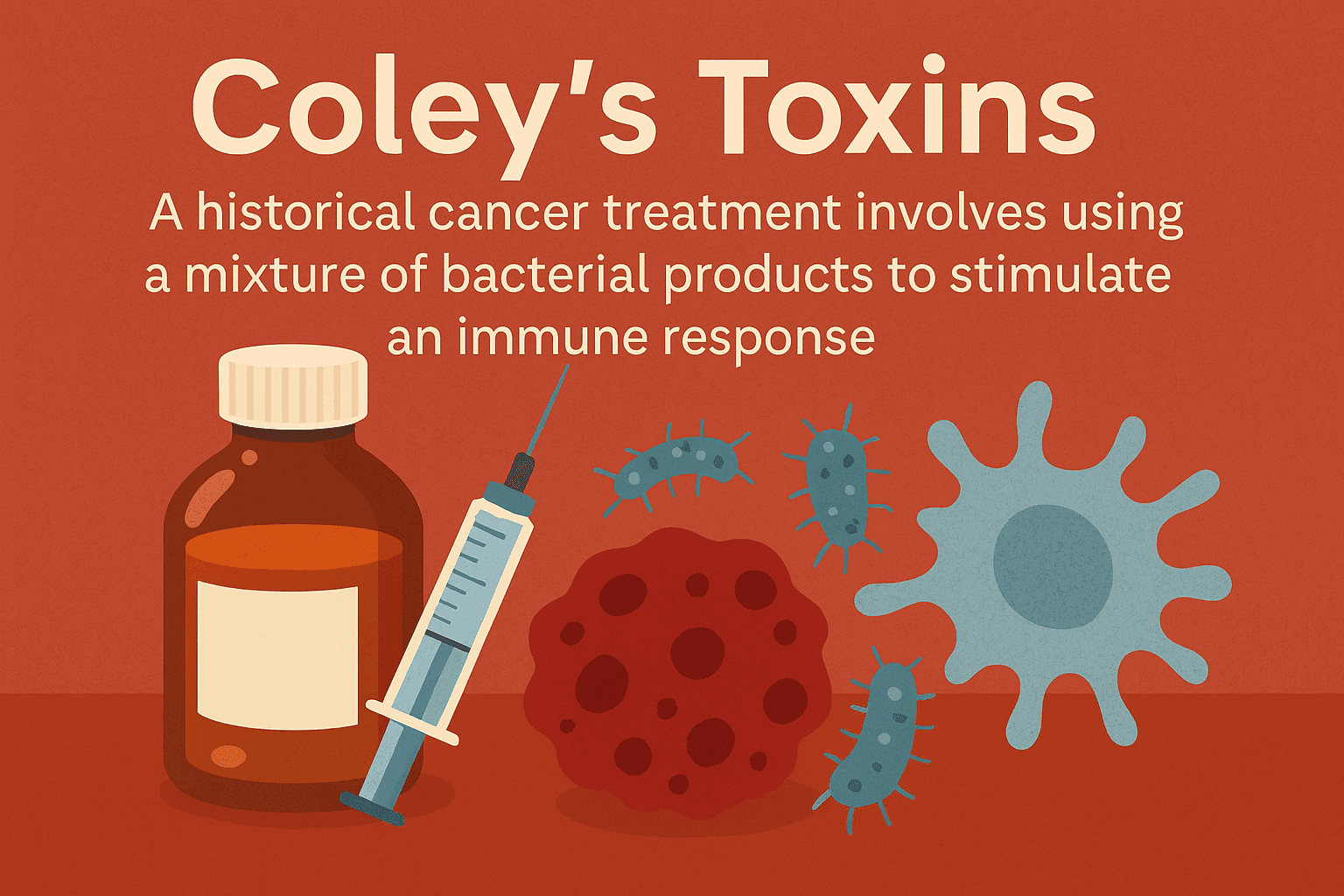
Explore the fascinating history of Coley's Toxins, one of the earliest forms of immunotherapy, and its impact on modern cancer treatment approaches.