
Loading articles...
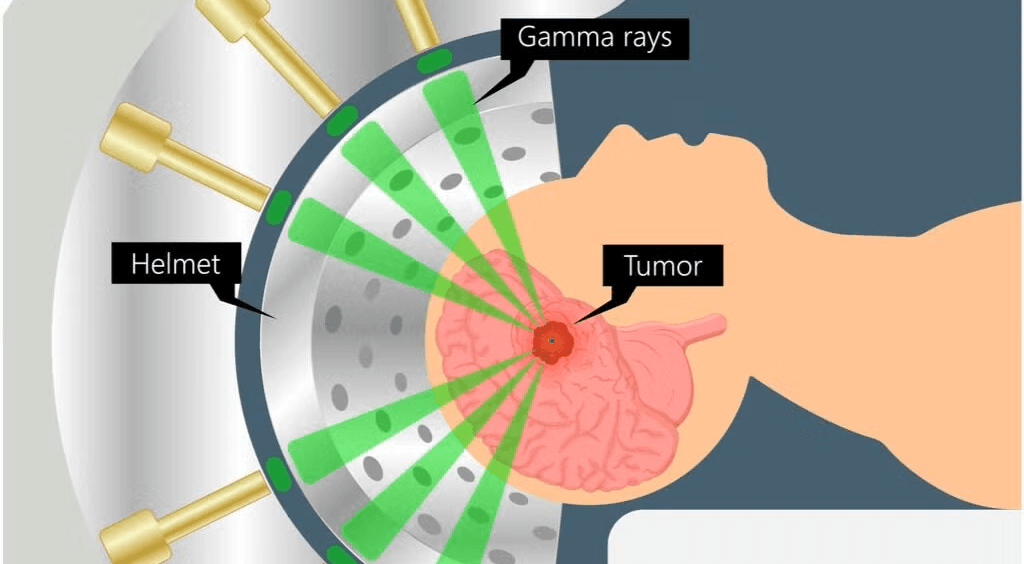
Stereotactic Radiosurgery (SRS) is a non-invasive, highly precise form of radiation therapy designed to treat tumors—including specific types of cancer—by delivering concentrated, high-dose radiation directly to the target area. Unlike traditional surgery, SRS doesn't require any incisions or physical removal of tissue. Instead, it uses advanced imaging and pinpoint-accurate technology to attack tumors from the outside.
The power of SRS lies in its unmatched precision. Through detailed imaging techniques—such as CT (Computed Tomography), MRI (Magnetic Resonance Imaging), or PET (Positron Emission Tomography) scans—the exact size, shape, and location of the tumor are mapped out in three dimensions.
Once the tumor is identified, multiple radiation beams are delivered from different angles. Individually, these beams are relatively weak, which protects surrounding healthy tissue. But at the point where all the beams converge—right at the tumor—their combined intensity delivers a powerful therapeutic dose that damages cancer cells while minimizing side effects.
Unlike conventional radiation therapy, which often requires daily sessions over several weeks, SRS can typically be completed in just 1 to 5 sessions, making it far more convenient and efficient for many patients.
SRS is best suited for small, well-defined tumors in areas where traditional surgery would be risky or difficult. It is particularly useful in:
Effective against both benign (e.g., meningiomas) and malignant tumors (e.g., glioblastomas, brain metastases from lung, breast, or melanoma cancers).
Offers precise radiation to spinal tumors while minimizing risk to the spinal cord.
Particularly effective for small, localized tumors, especially in patients who may not tolerate surgery.
Outside the brain and spine, SRS is known as Stereotactic Body Radiation Therapy (SBRT) and is used to treat various body tumors with similar precision.
No incisions or hospital stays—ideal for hard-to-reach tumors and for patients not suited for surgery.
Targets tumors while preserving healthy tissue, resulting in fewer side effects.
Can often be completed in a few sessions, reducing the treatment burden.
Most patients return home the same day with minimal recovery time.
Despite its many benefits, SRS has its limitations. It is not suitable for large, irregular, or widespread tumors, which may require a combination of treatments such as:
Often, SRS is used as part of a multimodal treatment plan, complementing other therapies to maximize effectiveness.
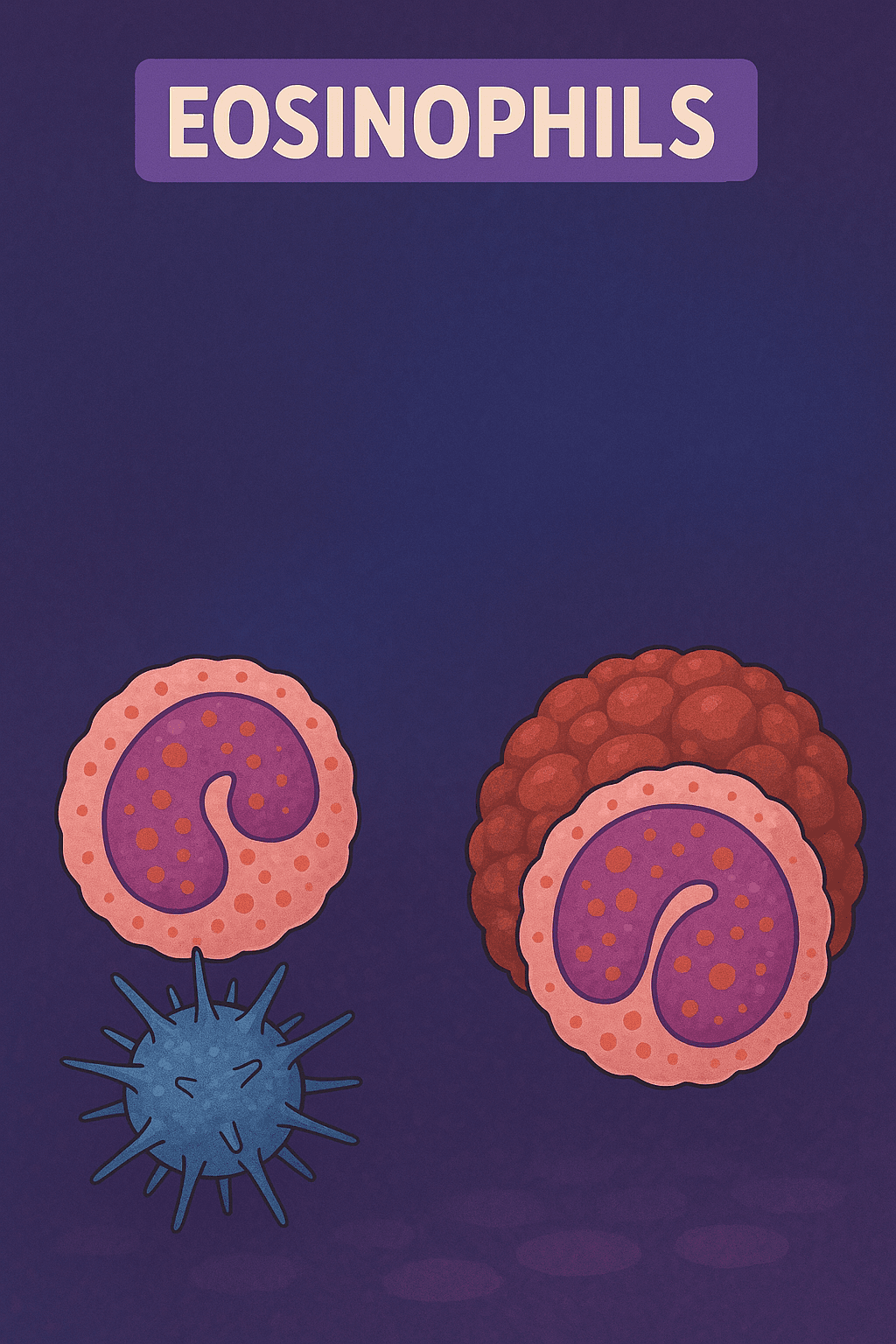
Explore how eosinophils, once known for their role in allergies and parasites, are now influencing cancer outcomes—sometimes acting as defenders, other times as accomplices in tumor progression.

Explore the fascinating history of Coley's Toxins, one of the earliest forms of immunotherapy, and its impact on modern cancer treatment approaches.
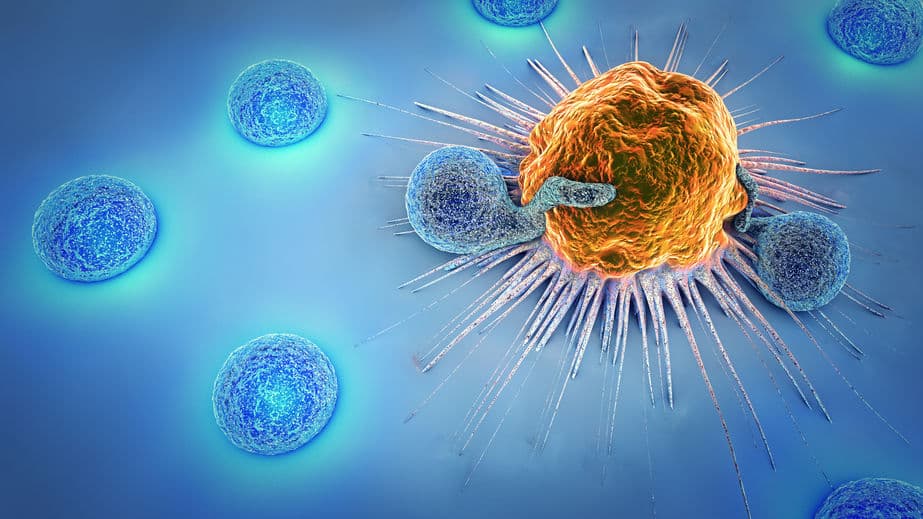
Understand how modern immunotherapy harnesses the body's own immune system to fight cancer, revolutionizing treatment approaches and outcomes.