
Loading articles...
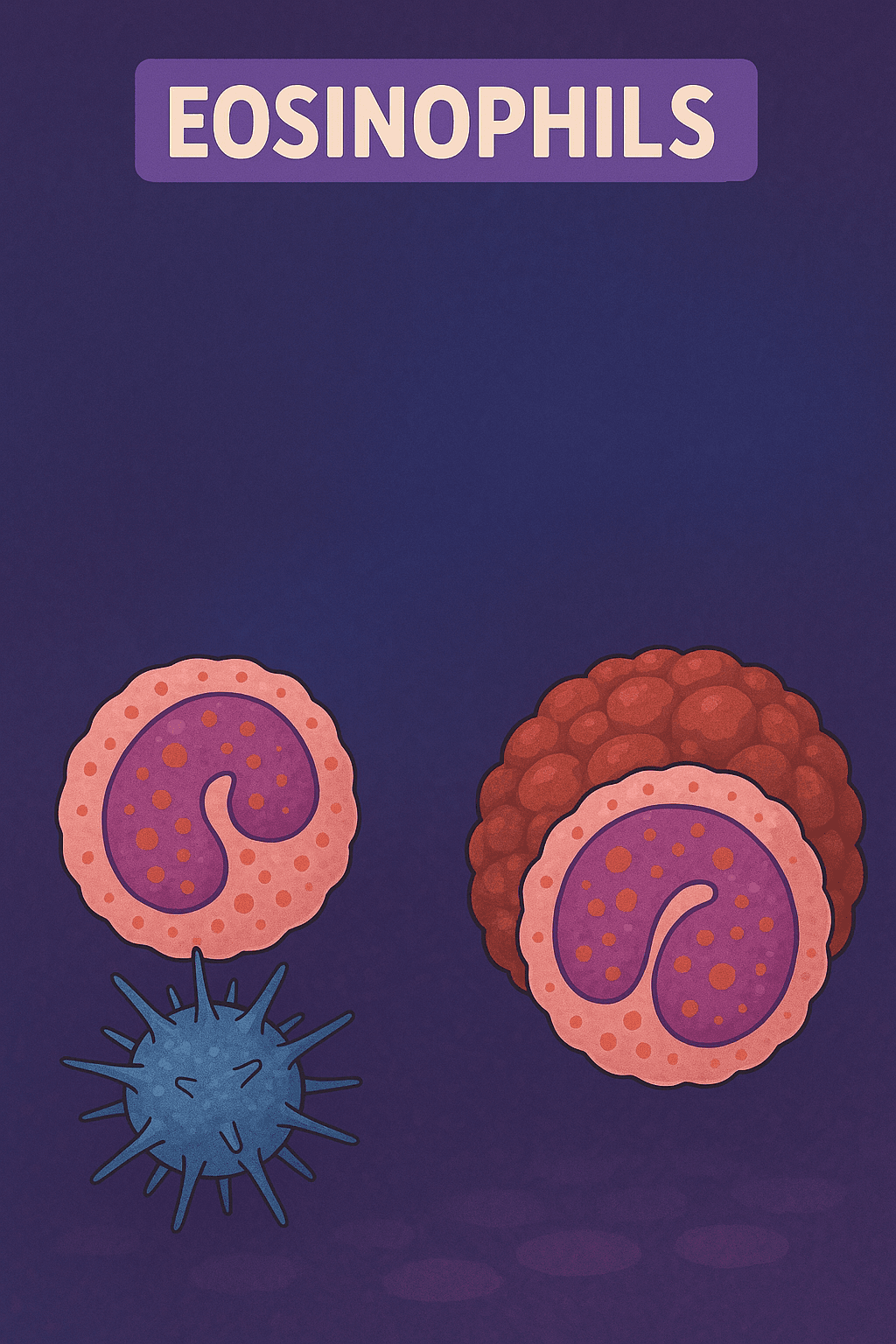
The immune system is our body's first line of defense against infections and abnormal cell growth, including cancer. Among its many components are eosinophils, which play a crucial role not only in fighting parasites and allergens but also in influencing cancer outcomes. Recent studies have revealed their surprising involvement in the tumor microenvironment, positioning eosinophils as both potential defenders and accomplices in cancer progression.
Eosinophils are a type of white blood cell that belong to the granulocyte family, alongside neutrophils and basophils. They are characterized by bright red-orange granules filled with toxic proteins and account for about 5% of the body's white blood cells. Found in the blood, bone marrow, lungs, skin, fat, and digestive tract, eosinophils are best known for combating parasitic infections and participating in allergic reactions. They also help regulate inflammation by releasing cytokines and signaling molecules.
Cancer refers to a group of diseases characterized by the uncontrolled division of abnormal cells, which can invade nearby tissues and spread to other parts of the body. It often results from genetic mutations that disrupt the normal processes of cell growth and death. While some cancers form solid tumors, others, like leukemia, do not. Treatments vary widely and may include surgery, chemotherapy, radiation therapy, immunotherapy, or targeted drugs.
Though eosinophils and cancer might seem unrelated at first glance, research has revealed a complex and dynamic relationship between the two. Eosinophils can infiltrate tumors and directly engage with cancer cells, releasing cytotoxic proteins such as reactive oxygen species (ROS), major basic protein (MBP), and eosinophil cationic protein (ECP). These substances can induce tumor cell death, suggesting a possible tumor-suppressive role for eosinophils.
Beyond their direct attack on cancer cells, eosinophils influence the tumor environment by secreting cytokines and growth factors. Interestingly, while some of these molecules—such as interleukin-6 (IL-6) and APRIL—can promote tumor growth, others support immune activation. Eosinophils also interact with other immune cells, presenting antigens to T cells, guiding their activation, and releasing chemokines to recruit more immune cells to the tumor site. These activities can potentially strengthen the body's anti-cancer response.
Moreover, eosinophils improve tumor blood flow and reduce vascular leakiness, which may enhance the effectiveness of therapies. For example, in colorectal cancer, higher eosinophil levels within tumors have been associated with better outcomes, reinforcing their potential as key players in cancer defense.
In conclusion, eosinophils are far more than simple defenders against parasites and allergens. Their involvement in cancer highlights their dual nature—capable of both hindering and helping tumor progression, depending on the context. As our understanding of these versatile cells deepens, eosinophils could hold promise not only as markers of prognosis but also as potential targets or tools in future cancer therapies.
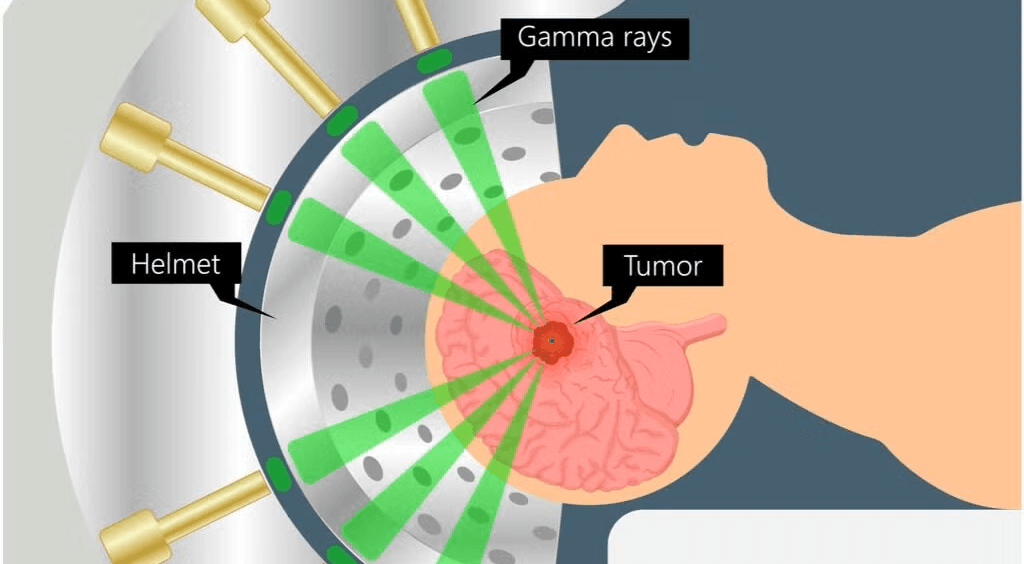
Stereotactic Radiosurgery (SRS) is a non-invasive cancer treatment that uses precise, high-dose radiation beams to target tumors, especially in the brain, spine, and lungs. It delivers focused radiation with minimal damage to healthy tissue, often in just 1–5 sessions. SRS is ideal for small, well-defined tumors and offers quick recovery, though it's not suitable for larger or widespread cancers.
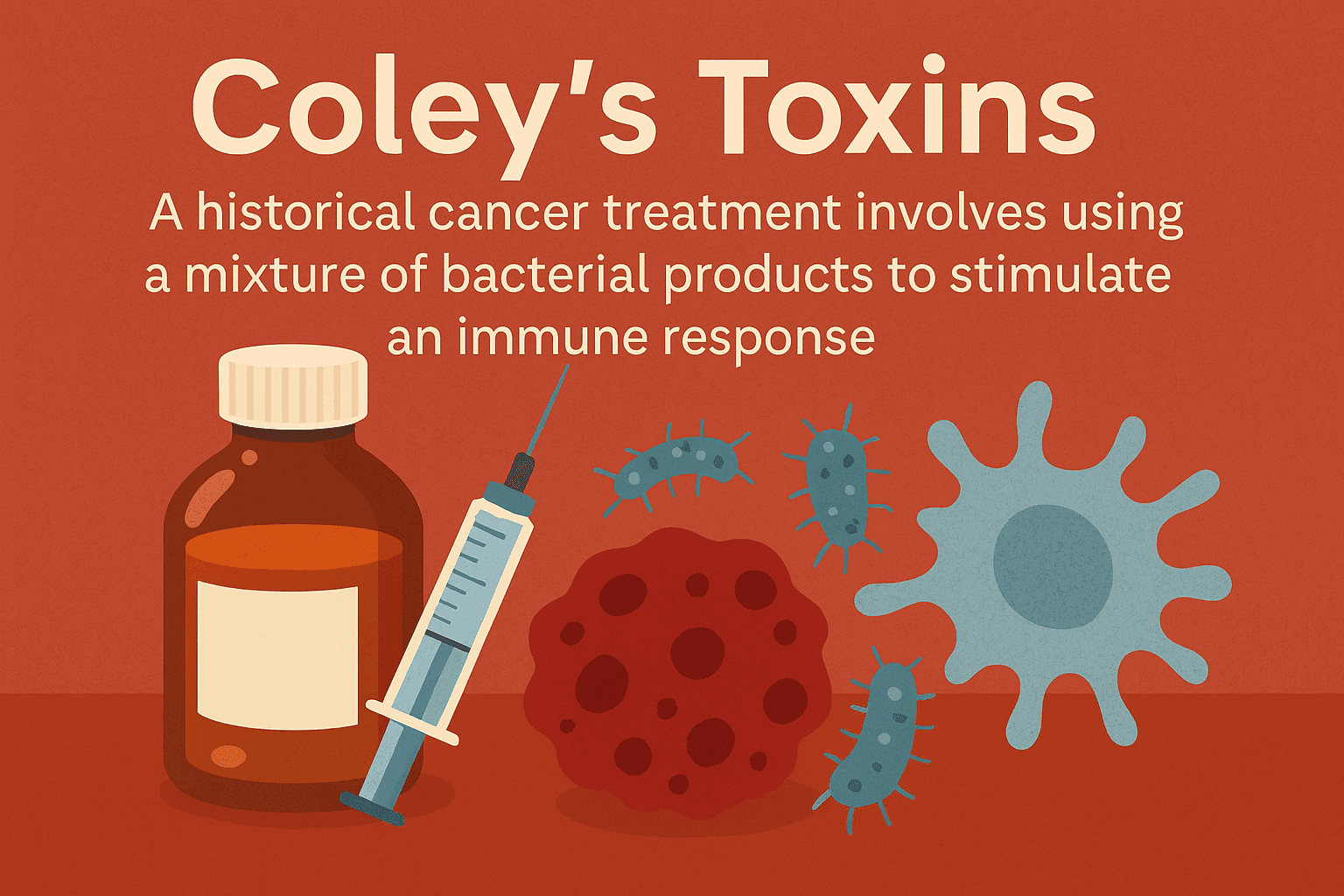
Explore the fascinating history of Coley's Toxins, one of the earliest forms of immunotherapy, and its impact on modern cancer treatment approaches.
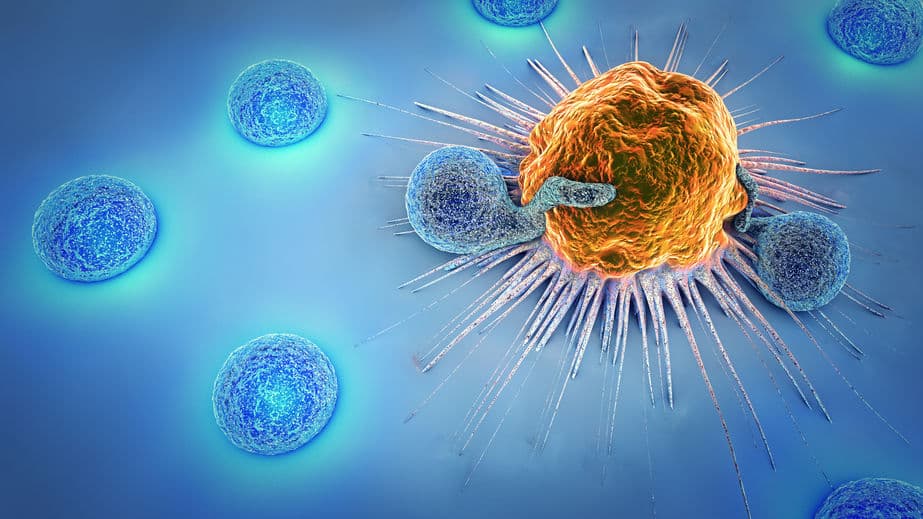
Understand how modern immunotherapy harnesses the body's own immune system to fight cancer, revolutionizing treatment approaches and outcomes.