
Loading articles...
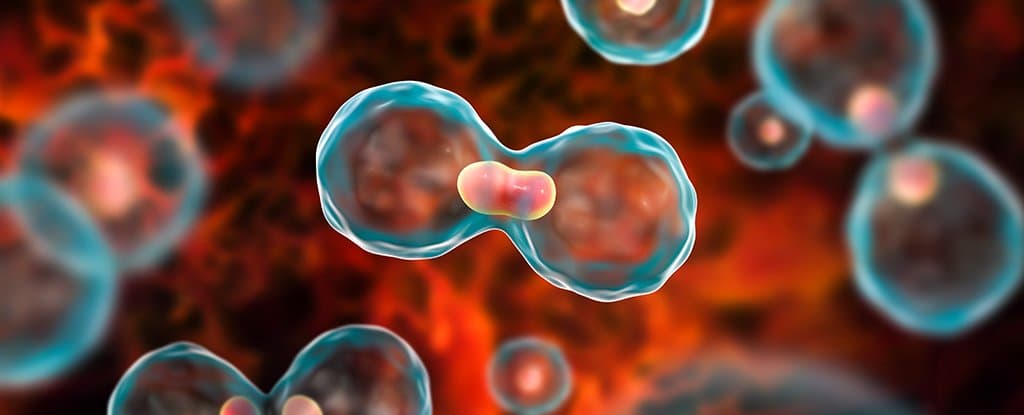
Cancer is a disease characterized by the uncontrolled growth and spread of abnormal cells within the body. This condition can originate in almost any tissue or organ, as our bodies continually produce new cells. When errors occur during the process of cell division, known as mitosis, it can lead to the formation of cancerous cells. These cells can proliferate uncontrollably and invade surrounding tissues, eventually spreading to other parts of the body—a process known as Metastasis.
Tumors are often associated with cancer and can vary in nature. Benign tumors are generally harmless and may require minimal intervention, such as surgical removal. In contrast, malignant tumors pose more significant health risks as they invade nearby tissues and disrupt normal bodily functions. These tumors can cause complications depending on their location and the extent of their growth.
Cancerous cells exhibit several distinctive characteristics that set them apart from normal cells. They grow autonomously, disregarding signals that would typically regulate cell division or induce cell death. Moreover, they have the ability to invade surrounding tissues and promote the development of blood vessels to supply nutrients to tumors—a process known as angiogenesis. Additionally, cancer cells often display chromosomal abnormalities and rely on altered metabolic pathways to sustain their rapid growth.
Cancer is fundamentally a genetic disease, primarily driven by mutations that disrupt the normal regulation of cell growth and division. These genetic changes can result from various factors, including errors during DNA replication, exposure to carcinogenic substances like those found in tobacco smoke or UV radiation, and inherited genetic mutations passed down through generations. While the body possesses mechanisms to repair DNA damage and suppress abnormal cell growth, these defenses can become compromised over time, contributing to the development of cancer.
Cancers are categorized based on the specific tissues or cells from which they originate. Common types include carcinoma, arising in epithelial cells such as those lining organs; sarcoma, originating in bone and soft tissues; leukemia, affecting blood-forming tissues like bone marrow; lymphoma, starting in lymphocytes of the immune system; and melanoma, beginning in pigment-producing melanocytes. Each type of cancer has distinct characteristics and may require different approaches to treatment.
This structured overview provides a comprehensive understanding of cancer, encompassing its nature, characteristics of cancerous cells, factors contributing to its development, and the diverse types of cancer that can affect the human body.
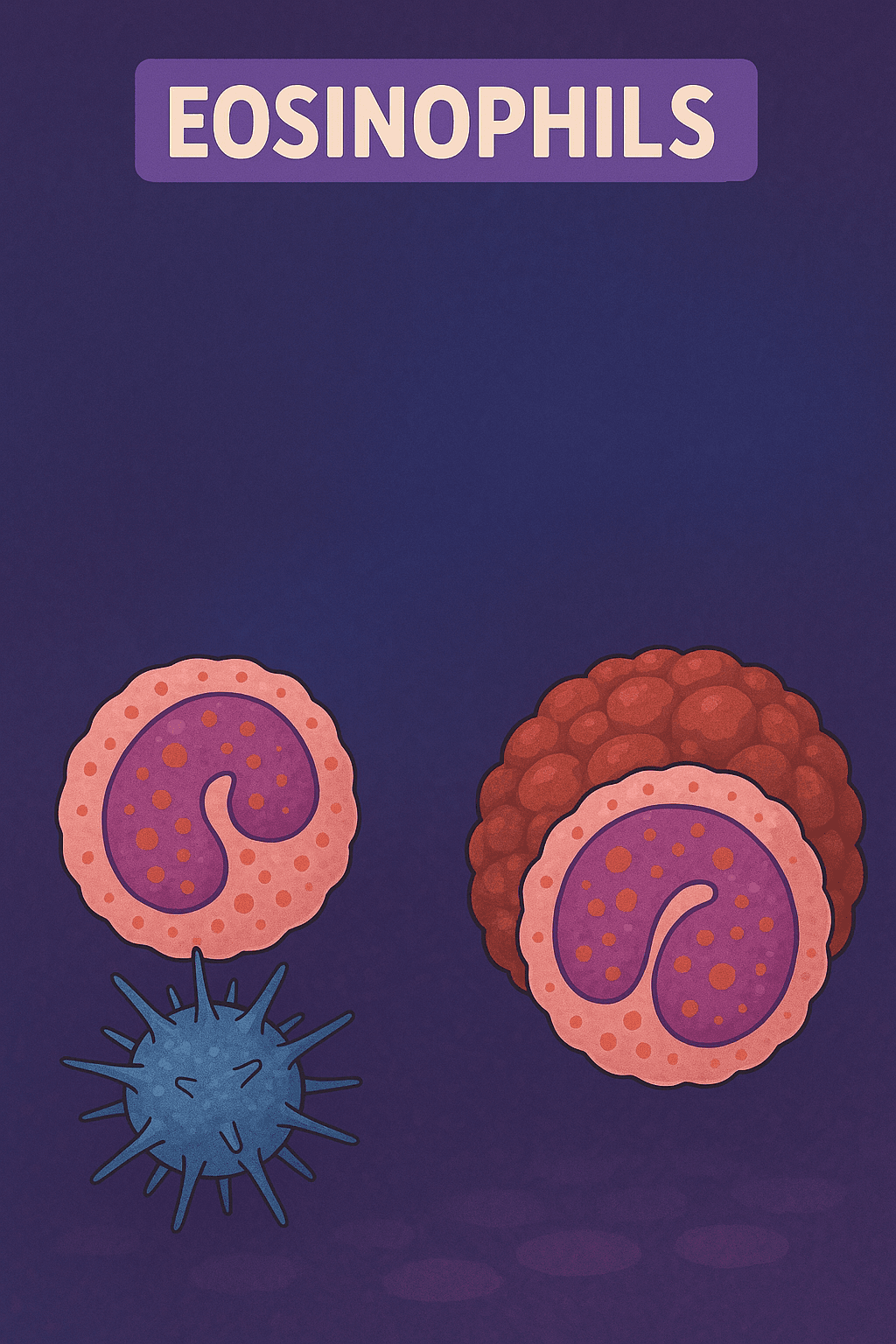
Explore how eosinophils, once known for their role in allergies and parasites, are now influencing cancer outcomes—sometimes acting as defenders, other times as accomplices in tumor progression.
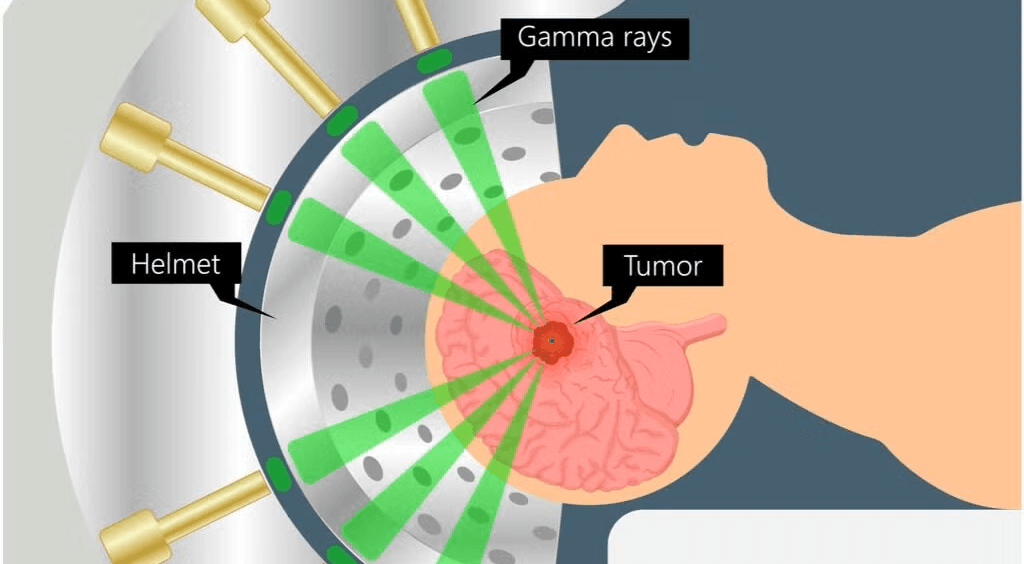
Stereotactic Radiosurgery (SRS) is a non-invasive cancer treatment that uses precise, high-dose radiation beams to target tumors, especially in the brain, spine, and lungs. It delivers focused radiation with minimal damage to healthy tissue, often in just 1–5 sessions. SRS is ideal for small, well-defined tumors and offers quick recovery, though it's not suitable for larger or widespread cancers.
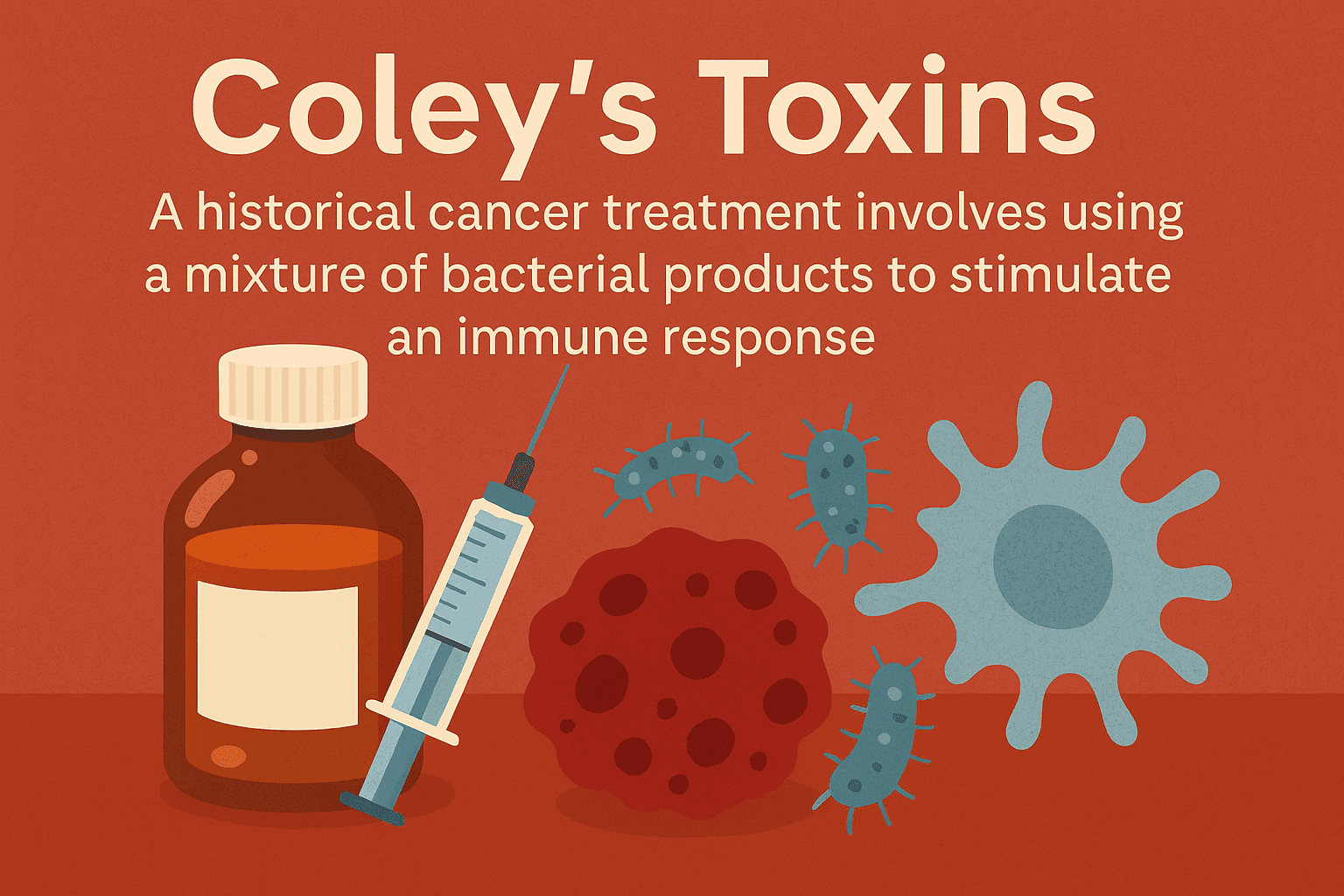
Explore the fascinating history of Coley's Toxins, one of the earliest forms of immunotherapy, and its impact on modern cancer treatment approaches.