
Loading articles...
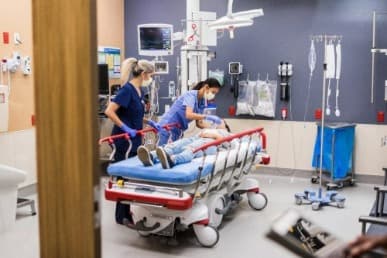
Working as an emergency room nurse means being prepared for anything at any time. From trauma and heart attacks to allergic reactions and broken bones, ER nurses are trained to handle it all with skill and speed.
Emergency room (ER) nurses specialize in providing acute care to patients in urgent and critical conditions. They work in hospital emergency departments, often under high pressure, and must assess, stabilize, and monitor patients rapidly.
Their responsibilities include:
ER nurses must think fast, act quickly, and stay calm under stress. They may face patients with life-threatening injuries, perform CPR, or respond to mass casualty events.
This role demands strong decision-making skills, teamwork, and emotional resilience. No two days are alike, and every shift can bring new challenges.
To become an ER nurse, you must first:
Optional certifications include:
Emergency room nurses are in high demand, especially as hospitals face nursing shortages. Salaries vary but typically range from $75,000 to $95,000+ per year, depending on location, experience, and certifications.
Beyond medical skills, ER nurses are often a comforting presence for patients in distress. They must manage not only physical emergencies but also the emotional impact on families and loved ones.
As one ER nurse puts it:
“We don’t just save lives—we hold hands, calm fears, and stay strong when others can’t.”
Emergency room nursing is not for the faint of heart—but for those who thrive in intensity, crave variety, and find purpose in helping others during their worst moments, it can be one of the most meaningful careers in healthcare.
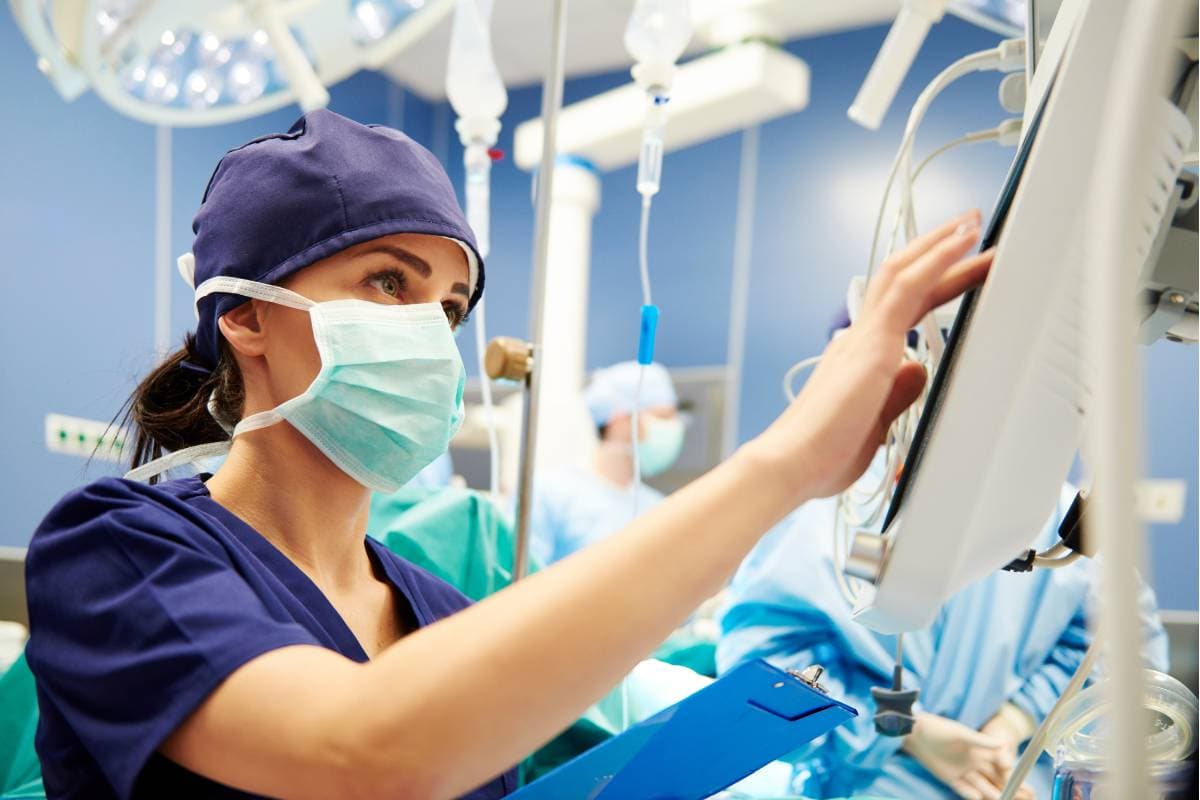
Explore the vital roles of operational (perioperative) nurses before, during, and after surgery — including their types, training, and impact on patient care.

Travel nurses are dynamic healthcare professionals who take their skills on the road, filling urgent needs in hospitals across the country. Explore what it takes to become one, the benefits, and the challenges they face.
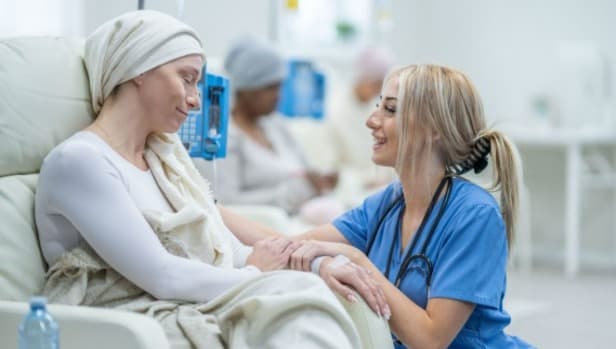
Oncology nurses play a vital role in cancer care—administering treatments, supporting patients emotionally, and navigating specialized healthcare settings. Learn how to become one and why they matter.