
Loading articles...
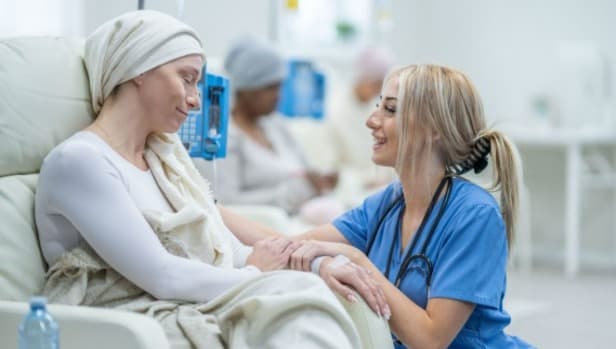
Nurses are a critical part of a healthcare team and are essential for ensuring that a patient’s treatment plan is conducted in a timely and effective manner. In a given day, nurses may administer medications, change bedsheets, or offer emotional support. In the U.S., there are approximately 4.7 million registered nurses, with 87% remaining active in the profession. Among many specialties, oncology nurses work specifically with patients diagnosed with or at risk of developing cancer.
To become an oncology nurse, you must first be a registered nurse (RN). This requires completing either an Associate’s or Bachelor’s degree in nursing from an accredited program, followed by passing the NCLEX-RN exam to earn licensure.
While specialization in oncology is available after becoming an RN, it's recommended to gain general experience first. Oncology nurses handle responsibilities like administering chemotherapy, supporting surgical recovery, and assessing the emotional and mental health of cancer patients.
Oncology nurses earn competitive salaries in the U.S., ranging from $84,768 to $97,103. Their services are in demand across various clinical environments—hospitals, outpatient clinics, hospices, and cancer centers.
They may also choose to subspecialize, working with pediatric, adult, or geriatric cancer patients. Opportunities exist in focused areas such as immunotherapy, bone marrow transplantation, and breast cancer care.
Oncology nurses are deeply involved in a patient’s journey through cancer diagnosis and treatment. They are not only healthcare professionals but emotional anchors for patients and families during some of life’s most difficult moments. As the need for cancer treatment grows, so does the need for skilled, compassionate oncology nurses.
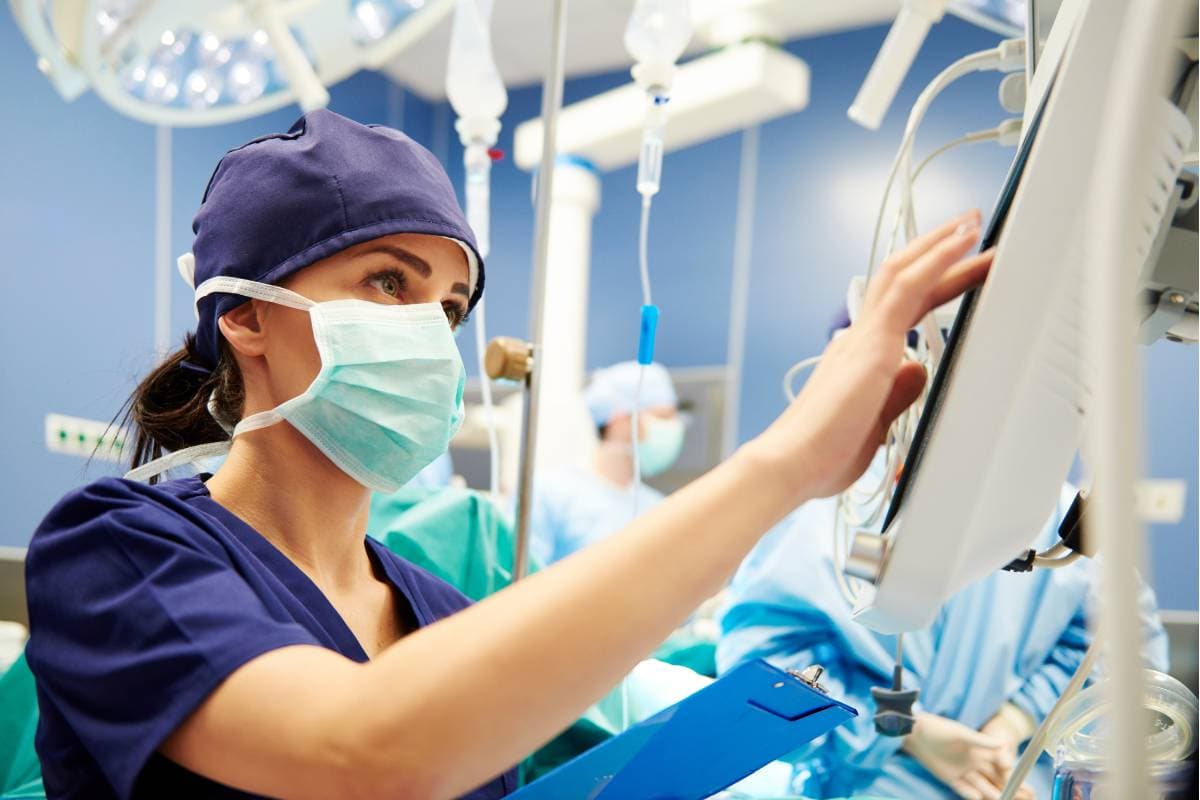
Explore the vital roles of operational (perioperative) nurses before, during, and after surgery — including their types, training, and impact on patient care.

Travel nurses are dynamic healthcare professionals who take their skills on the road, filling urgent needs in hospitals across the country. Explore what it takes to become one, the benefits, and the challenges they face.
Emergency room nurses are the first line of defense in life-threatening situations, providing critical care under pressure. Explore their intense, fast-paced world and what it takes to become one.