
Loading articles...

In today’s ever-changing healthcare landscape, Travel Nurses serve as vital responders—stepping in wherever they’re needed most. These professionals take on short-term assignments across cities, states, and even countries to solve staffing shortages and provide high-quality care during times of crisis, such as pandemics or natural disasters.
A Travel Nurse is a registered nurse who accepts temporary nursing contracts, often through staffing agencies, in different locations. Whether it's during the COVID-19 pandemic, a hurricane, or in an underserved rural area, travel nurses are dispatched quickly to meet urgent healthcare demands. They are the steady hand in unpredictable moments, ensuring patients still receive timely and expert care.
Travel nurses typically rotate through multiple healthcare facilities, working on contracts that last a few weeks to several months. Staffing agencies usually coordinate their placement, housing, and licensing, making it easier for them to adapt quickly to each new environment.
Their responsibilities are similar to hospital-based nurses:
The key difference? They constantly adapt to new environments, workflows, and teams—making resilience and flexibility essential qualities.
While the role offers flexibility and adventure, becoming a travel nurse takes preparation:
There are many compelling reasons to consider this career path:
Travel nurses are not just filling staffing gaps—they’re providing stability, compassion, and professionalism during critical times. One travel nurse remarked, “The day I go to work, one more life has hope.”
While rewarding, the role is not without its difficulties:
Travel nursing is more than a profession—it’s a calling. These nurses are the first to respond, the fastest to adapt, and often the warmest presence in a patient’s care. Their journey across hospitals and cities reflects a deep love for life and a commitment to healing wherever they go.


Explore the vital roles of operational (perioperative) nurses before, during, and after surgery — including their types, training, and impact on patient care.
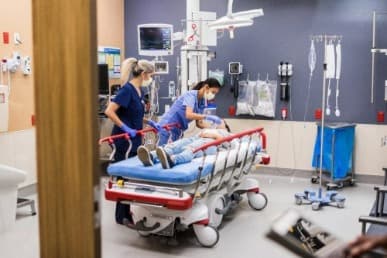
Emergency room nurses are the first line of defense in life-threatening situations, providing critical care under pressure. Explore their intense, fast-paced world and what it takes to become one.
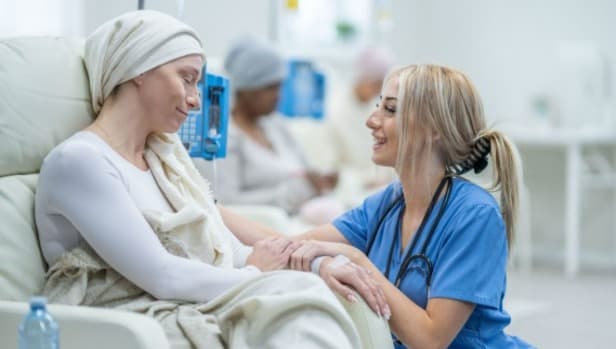
Oncology nurses play a vital role in cancer care—administering treatments, supporting patients emotionally, and navigating specialized healthcare settings. Learn how to become one and why they matter.