
Loading articles...

The endocrine system plays a vital role in regulating various bodily functions. Hormones, which are chemical messengers produced by glands, help control metabolism, growth, reproduction, and other essential processes. When there is an imbalance in hormone levels, it can lead to serious health problems. Endocrinologists are doctors who specialize in diagnosing and treating conditions related to hormonal imbalances. They help manage diseases like diabetes, thyroid disorders, infertility, osteoporosis, and even some types of cancer.
To become an endocrinologist, a person must go through extensive education and training. First, they must earn a bachelor's degree and take the Medical College Admission Test (MCAT) to gain entry into medical school. Medical school lasts about four years and provides future doctors with the knowledge they need. After medical school, they complete a two-year residency in internal medicine or endocrinology, where they receive hands-on experience treating patients. Following residency, they must complete a two- to three-year fellowship focused on endocrinology, diabetes, and metabolism. Finally, they take an exam to become board-certified in internal medicine, and they need another certification from the American Board of Internal Medicine to specialize in endocrinology.
A recent case study underscores the critical role endocrinologists play in identifying life-threatening conditions. An 88-year-old man was admitted to the hospital with COVID-19. While his infection eventually resolved, doctors observed that his procalcitonin (ProCT) levels were unusually elevated. Although ProCT typically rises due to bacterial infections, it can also signal the presence of medullary thyroid cancer (MTC). To delve deeper, physicians measured his serum calcitonin (CT) levels, which were found to be significantly high—prompting further investigation into a potential underlying cause.
To investigate the abnormal hormone levels, doctors conducted a CT scan, which revealed a mass in the patient's thyroid. An ultrasound provided more detail, identifying a 50mm nodule in the right thyroid lobe that extended into the mediastinum. To determine whether the nodule was cancerous, a fine needle aspiration biopsy was performed. The results confirmed the diagnosis: medullary thyroid cancer (MTC).
Since the cancer was already at an advanced stage, surgery was not a viable option. Instead, the patient was prescribed cabozantinib, a targeted medication used to treat medullary thyroid cancer. He began taking a daily dose of 40 mg. Sixteen months into treatment, the patient continues on the same regimen. Although his calcitonin levels remain elevated, there has been no evidence of disease progression. Most importantly, he maintains his independence and is able to carry out daily activities, highlighting the effectiveness of ongoing medical management.
Endocrinologists play a crucial role in diagnosing and treating hormone-related diseases. The case study of the 88-year-old man underscores how an endocrinologist's expertise led to the detection of medullary thyroid cancer through abnormal hormone levels. Although surgery was not an option, ongoing treatment has successfully controlled the disease, allowing the patient to maintain his independence and quality of life. This case highlights the importance of early detection and specialized medical care in managing complex endocrine disorders.

Hi! I'm Maliha Metla, a junior in high school passionate about medicine, community service, and creating meaningful change. Whether through my nonprofit work, medical internships, or local volunteering, I strive to help others and inspire hope in the communities I serve.

An occupational therapist (OT) is a healthcare professional who helps people of all ages improve their ability to do everyday activities. These people may have physical, mental, or developmental challenges that make daily tasks difficult. Occupational therapists work to support patients in important parts of life, such as self-care, work, school, and free time activities.

Psychiatrists are medical doctors who specialize in understanding and treating mental health disorders. Combining medicine, psychology, and neuroscience, they help individuals navigate emotional turmoil through therapy, medication, and compassionate care.
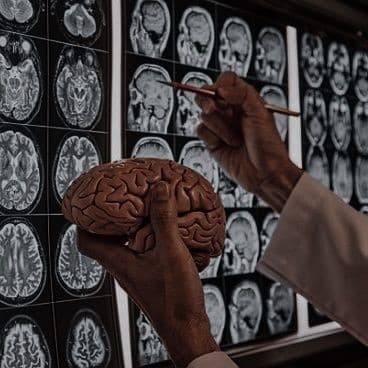
Neurosurgeons treat life-changing brain and spine conditions with precision and care. From years of training to complex surgeries, they stand at the crossroads of science, skill, and compassion.