
Loading articles...

Imagine your mind as a storm, thoughts racing, emotions overwhelming, and sleep slipping through your grasp. You may go through the motions of daily life, hiding the chaos within. This is where psychiatrists step in: not just as listeners, but as trained professionals who can untangle the mental and emotional turmoil that weighs people down.
Psychiatrists are medical doctors who specialize in diagnosing, treating, and preventing mental health disorders. They undergo rigorous training that combines medicine, psychology, and neuroscience to understand the complex relationship between the brain and behavior. Unlike therapists or counselors, psychiatrists can prescribe medications, offer psychotherapy, and monitor how both the mind and body respond to treatment. Whether it's anxiety, depression, obsessive-compulsive disorder (OCD), bipolar disorder, or schizophrenia, psychiatrists are equipped to treat a wide range of mental health conditions.
The role of a psychiatrist is both scientific and deeply personal. Suppose someone is experiencing panic attacks. A psychiatrist begins by having a detailed conversation to explore symptoms, triggers, and lifestyle factors. Based on their findings, they may recommend therapy, lifestyle changes, and in many cases, medication to ease symptoms. The process doesn't stop there. They continue to check in, adjust treatments, and track progress to ensure real, lasting improvement.
Psychiatrists work in various settings: hospitals, clinics, private practices, and even online platforms. Their job also involves collaboration with psychologists, social workers, and primary care physicians to offer holistic care to their patients.
Mental health still carries stigma in many societies. Phrases like "just snap out of it" or "be strong" can minimize the real struggles people face. Psychiatrists provide a safe space where individuals don't have to mask their emotions. They validate experiences, normalize seeking help, and guide patients toward healing. With rising awareness around mental health, especially in the wake of global crises, their role has become more essential than ever.
The work of psychiatrists is not without challenges. They often carry the emotional weight of their patients' pain, navigate shortages in the profession, and contend with societal misconceptions about therapy. Despite this, they continue to show up, driven by compassion and the hope of healing.
Psychiatrists aren't here to "fix" people. They are guides, helping individuals navigate the darkest parts of their minds, rediscover their strength, and reclaim control over their lives. In the quiet space between chaos and calm, psychiatrists help us find our way back to ourselves.

An occupational therapist (OT) is a healthcare professional who helps people of all ages improve their ability to do everyday activities. These people may have physical, mental, or developmental challenges that make daily tasks difficult. Occupational therapists work to support patients in important parts of life, such as self-care, work, school, and free time activities.
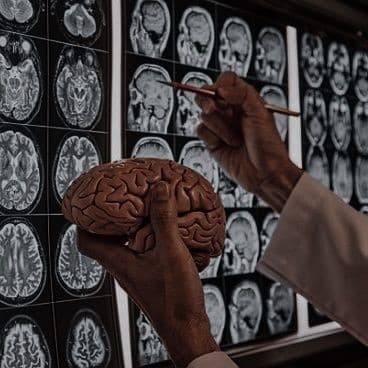
Neurosurgeons treat life-changing brain and spine conditions with precision and care. From years of training to complex surgeries, they stand at the crossroads of science, skill, and compassion.

Delve into the specialized field of endocrinology and learn how these physicians diagnose and treat hormonal disorders affecting multiple body systems.