
Loading articles...
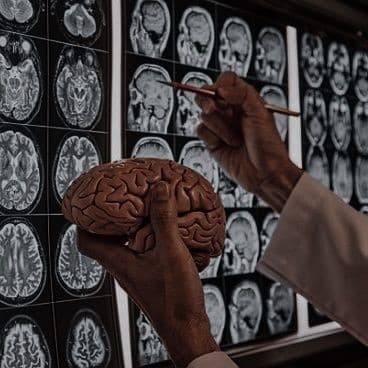
Neurosurgeons are highly trained medical doctors who diagnose and treat conditions affecting the brain, spinal cord, and nerves. Often referred to as "brain surgeons," they specialize in surgical solutions for complex neurological problems like strokes, tumors, and degenerative diseases. The path to becoming a neurosurgeon is long and demanding, requiring intense education, training, and dedication.
The journey to becoming a neurosurgeon typically spans about 16 years. It begins with a four-year bachelor's degree, followed by four years of medical school. Afterward, doctors complete a year-long general surgery internship and seven years of neurosurgery residency. Some neurosurgeons pursue fellowships in specialties like pediatric neurosurgery or spinal surgery. Competition is fierce; in 2020, only 74.3% of U.S. medical graduates applying for neurosurgery successfully matched into a residency program, much lower than other specialties. Despite the challenges, those who persevere are rewarded with a deeply impactful career.
Though they both work with the nervous system, neurologists and neurosurgeons serve different roles. Neurologists diagnose and medically manage conditions such as epilepsy, migraines, and multiple sclerosis but do not perform surgery. When surgical intervention is needed, they refer patients to neurosurgeons. Neurosurgeons are trained to operate and manage surgical cases, making the collaboration between the two specialties essential for comprehensive neurological care.
An 11-year-old girl, part of a Jehovah's Witness family, was admitted with progressive leg weakness and abdominal pain. Imaging revealed an S1 extradural tumor pressing on her spinal nerves. Due to religious beliefs prohibiting blood transfusions, her family sought treatment at Johns Hopkins Hospital, renowned for expertise in bloodless surgery. Surgeons performed a hemilaminectomy, carefully removing part of the vertebra to access the tumor with minimal blood loss. Post-surgery, she recovered well, aided by iron supplements and medications to manage pain and nerve discomfort, successfully avoiding transfusions while respecting her family's beliefs.
Neurosurgeons play an essential role in treating life-altering conditions of the nervous system. Their extensive training, surgical skill, and ability to collaborate with other specialists like neurologists ensure that patients receive the best possible care. As seen in the case of the young girl, neurosurgeons can even adapt their procedures to honor patients' cultural and religious needs, showing that medicine is not just about science but also compassion.

An occupational therapist (OT) is a healthcare professional who helps people of all ages improve their ability to do everyday activities. These people may have physical, mental, or developmental challenges that make daily tasks difficult. Occupational therapists work to support patients in important parts of life, such as self-care, work, school, and free time activities.

Psychiatrists are medical doctors who specialize in understanding and treating mental health disorders. Combining medicine, psychology, and neuroscience, they help individuals navigate emotional turmoil through therapy, medication, and compassionate care.

Delve into the specialized field of endocrinology and learn how these physicians diagnose and treat hormonal disorders affecting multiple body systems.