
Loading articles...
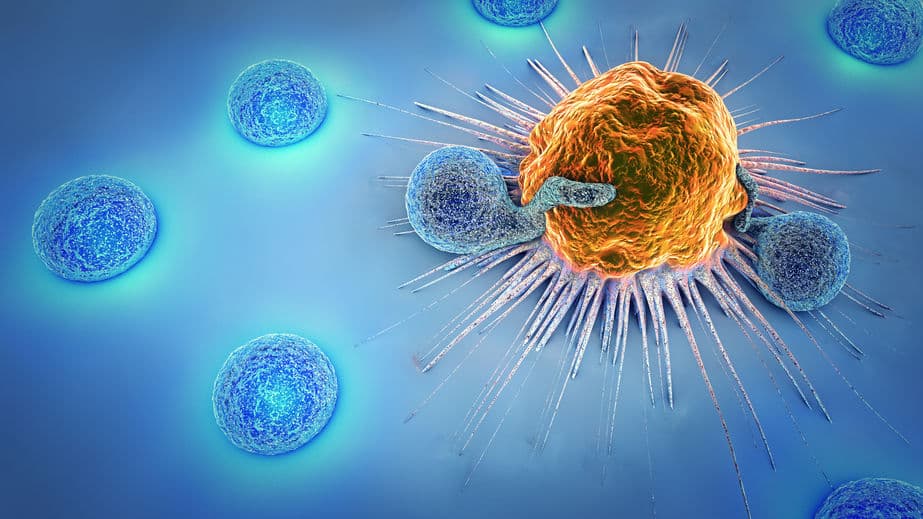
Immunotherapy is a medical treatment that empowers the body's own immune system to fight diseases, particularly cancer. Its main goal is to strengthen or modify immune responses so the body can recognize and eliminate harmful cells more effectively. Unlike traditional treatments like chemotherapy or radiation, which directly target cancer cells, immunotherapy works by enhancing the body's natural defense mechanisms. This innovative approach has emerged as a promising option, especially for patients with specific types of cancer where other treatments may be less effective.
There are several types of immunotherapy, each designed to boost the immune system in unique ways. Monoclonal antibodies are lab-engineered molecules that mimic the immune system's natural ability to detect harmful invaders. These antibodies attach to cancer cells and act as flags, helping the immune system identify and eliminate them. Checkpoint inhibitors work by blocking proteins that normally stop immune cells from attacking healthy tissue—proteins that some cancers exploit to avoid detection. By disabling these proteins, checkpoint inhibitors free the immune system to aggressively target cancer cells. Another approach is through cancer vaccines, which train the immune system to recognize and attack specific cancer cells, helping to prevent the disease from spreading or returning.Types of Immunotherapy: Diverse Tools for Fighting Cancer
Immunotherapy offers a promising alternative to traditional cancer treatments. By enhancing the body's natural defenses, it can improve survival rates and reduce the side effects often caused by chemotherapy and radiation. As research continues, immunotherapy is expected to play an even larger role in the fight against cancer.

Hi! I'm Maliha Metla, a junior in high school passionate about medicine, community service, and creating meaningful change. Whether through my nonprofit work, medical internships, or local volunteering, I strive to help others and inspire hope in the communities I serve.
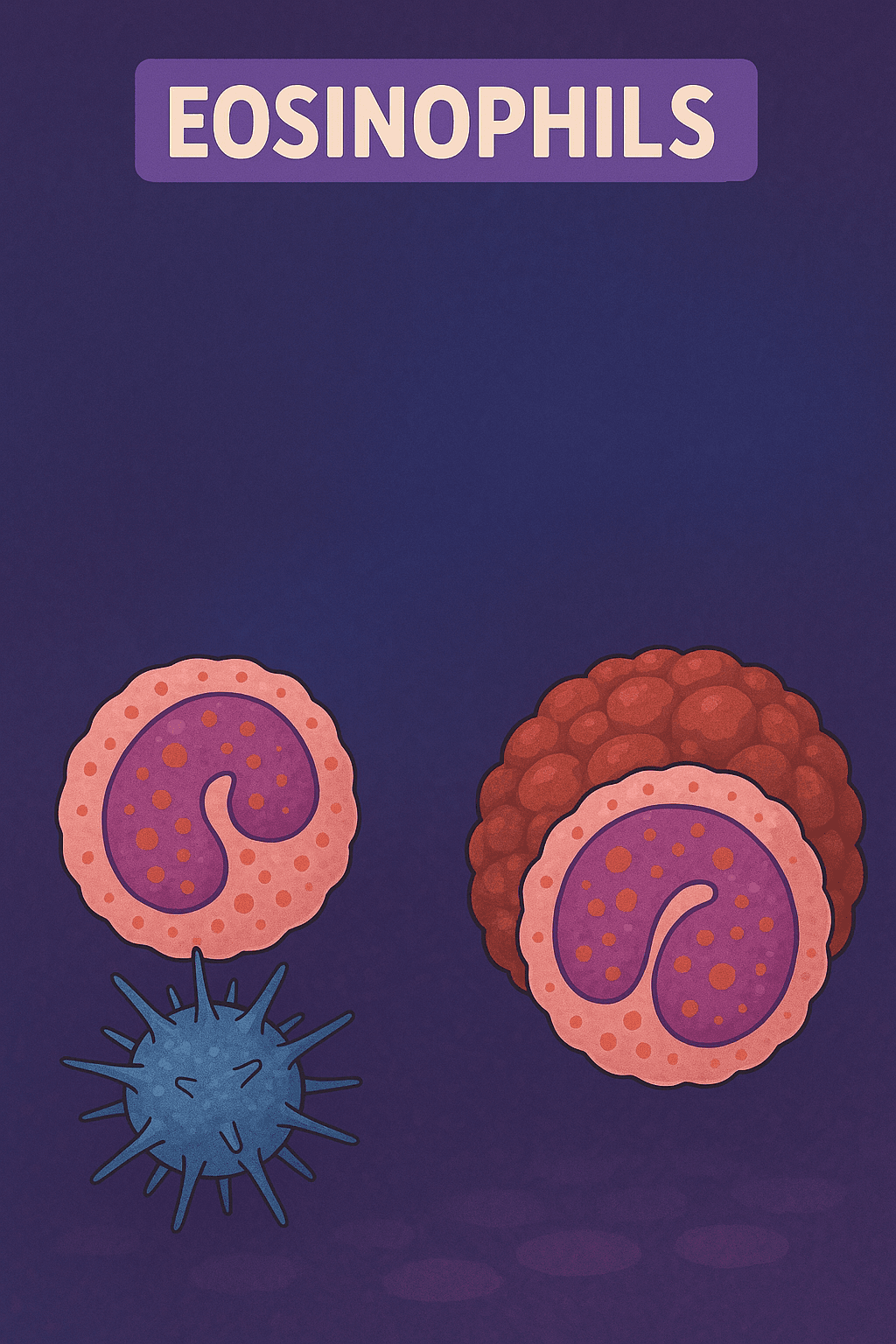
Explore how eosinophils, once known for their role in allergies and parasites, are now influencing cancer outcomes—sometimes acting as defenders, other times as accomplices in tumor progression.
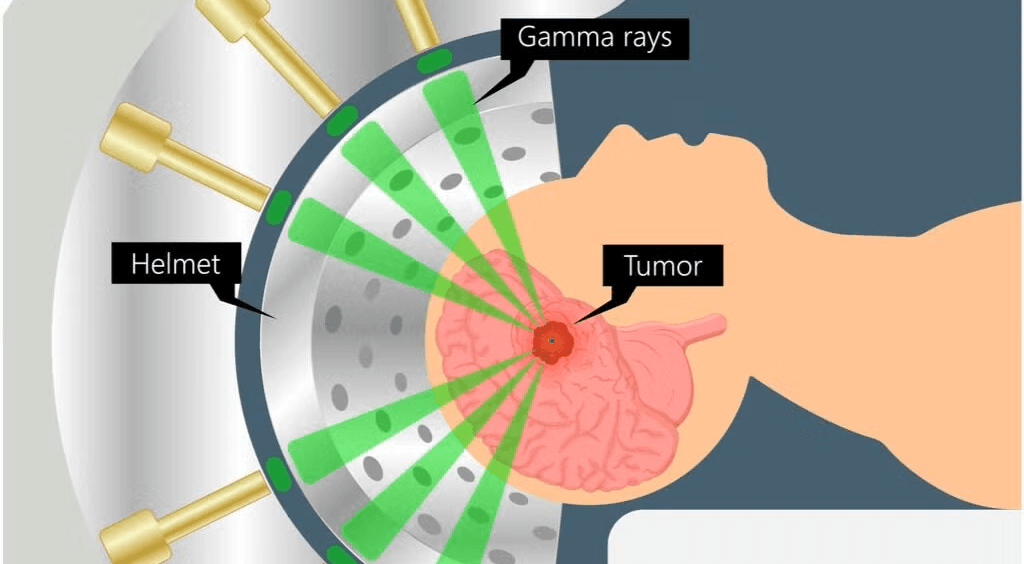
Stereotactic Radiosurgery (SRS) is a non-invasive cancer treatment that uses precise, high-dose radiation beams to target tumors, especially in the brain, spine, and lungs. It delivers focused radiation with minimal damage to healthy tissue, often in just 1–5 sessions. SRS is ideal for small, well-defined tumors and offers quick recovery, though it's not suitable for larger or widespread cancers.

Explore the fascinating history of Coley's Toxins, one of the earliest forms of immunotherapy, and its impact on modern cancer treatment approaches.