
Loading articles...

Chemotherapy is a medical treatment that uses powerful drugs to kill rapidly growing cells in the body. It is most commonly used to treat cancer because cancer cells grow and multiply faster than most normal cells. Chemotherapy can be administered as a primary treatment, in combination with other therapies, or to relieve symptoms of cancer.
Cancer cells divide uncontrollably, which makes them different from most normal cells. Chemotherapy works by destroying these fast-growing cells and preventing them from multiplying. There are several ways in which chemotherapy is used such as adjuvant therapy which is used after surgery or radiation to eliminate any remaining cancer cells, curative therapy aim to remove cancer completely so that it does not return, neoadjuvant therapy shrinks a tumor before surgery or radiation, and palliative therapy helps shrink tumors and reduce symptoms without curing the cancer. While chemotherapy is an effective way to treat cancer, it also affects other fast-growing cells in the body, such as those in the blood, digestive system, and hair follicles. This can lead to side effects like hair loss, nausea, fatigue, and anemia.
Chemotherapy was first developed in the early 20th century, though not originally for cancer treatment. During World War II, scientists observed that people exposed to nitrogen mustard had lower white blood cell counts. This led researchers to investigate whether mustard agents could be used to target rapidly dividing cells, including cancer cells. In the 1940s, pharmacologists Alfred Gilman and Louis Goodman at Yale University tested the effects of nitrogen mustard on lymphoma. They found that injecting a patient with a modified form of mustard gas, called mustine, caused the tumor to shrink. Although the tumor eventually grew back, this study marked the beginning of using chemical agents to treat cancer. Their findings were published in 1946, and nitrogen mustard became a widely used treatment for lymphomas in the United States.
After World War II, researchers continued to search for effective chemotherapy agents. Sidney Farber, a pathologist at Harvard Medical School, studied the effects of folic acid, a vitamin needed for DNA production. He and his team developed folate analogues, such as methotrexate, which blocked the action of folic acid. These drugs successfully induced remission in children with acute lymphoblastic leukemia in 1948. During the 1950s and 1960s, further advancements were made. The pharmaceutical company Eli Lilly discovered that plant alkaloids from the periwinkle plant, Vinca rosea, were effective against leukemia. This led to the development of vinca alkaloids, such as vinblastine for Hodgkin's disease and vincristine for pediatric leukemia. Over the following decades, combination chemotherapy became popular. Using multiple drugs with different mechanisms increased survival rates and reduced mortality. Since 1990, cancer death rates have steadily declined due to early detection and the development of more effective chemotherapy treatments.
Chemotherapy has a long and evolving history. From its accidental discovery during wartime to the targeted treatments used today, it has revolutionized cancer care. While chemotherapy still has side effects, continuous research has improved its effectiveness and reduced its risks. Today, chemotherapy remains a critical tool in the fight against cancer, saving and prolonging lives around the world.

Hi! I'm Maliha Metla, a junior in high school passionate about medicine, community service, and creating meaningful change. Whether through my nonprofit work, medical internships, or local volunteering, I strive to help others and inspire hope in the communities I serve.
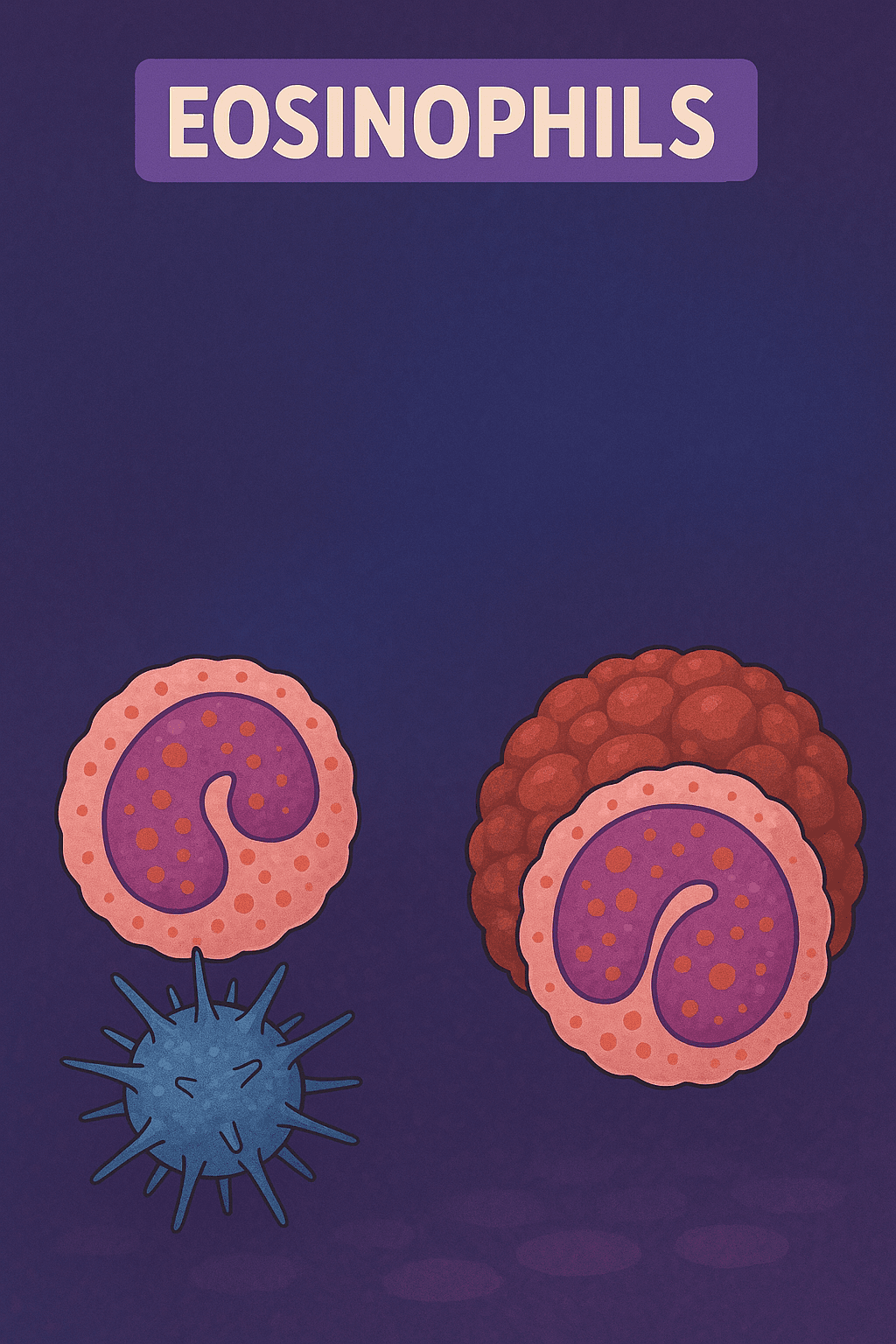
Explore how eosinophils, once known for their role in allergies and parasites, are now influencing cancer outcomes—sometimes acting as defenders, other times as accomplices in tumor progression.
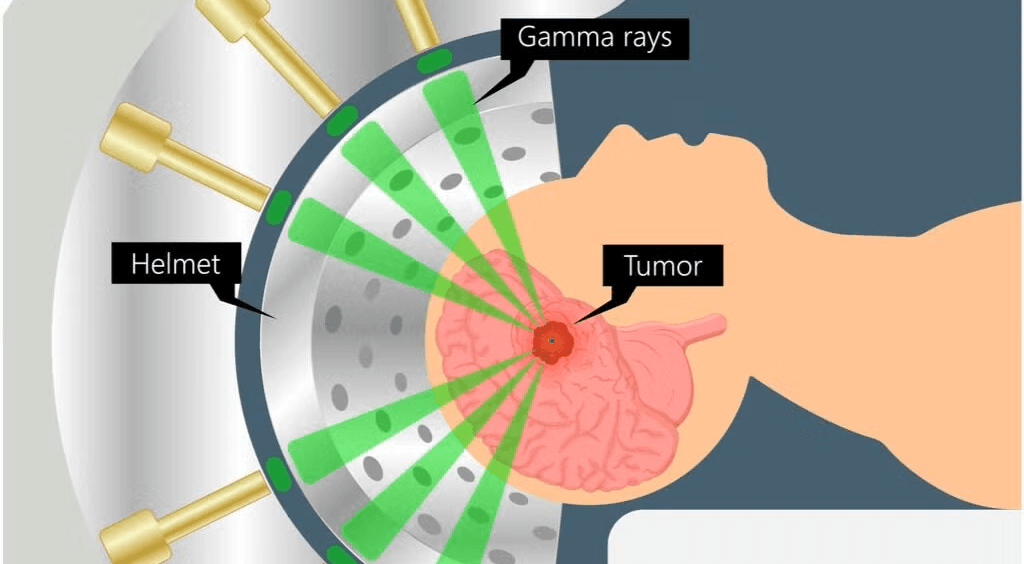
Stereotactic Radiosurgery (SRS) is a non-invasive cancer treatment that uses precise, high-dose radiation beams to target tumors, especially in the brain, spine, and lungs. It delivers focused radiation with minimal damage to healthy tissue, often in just 1–5 sessions. SRS is ideal for small, well-defined tumors and offers quick recovery, though it's not suitable for larger or widespread cancers.
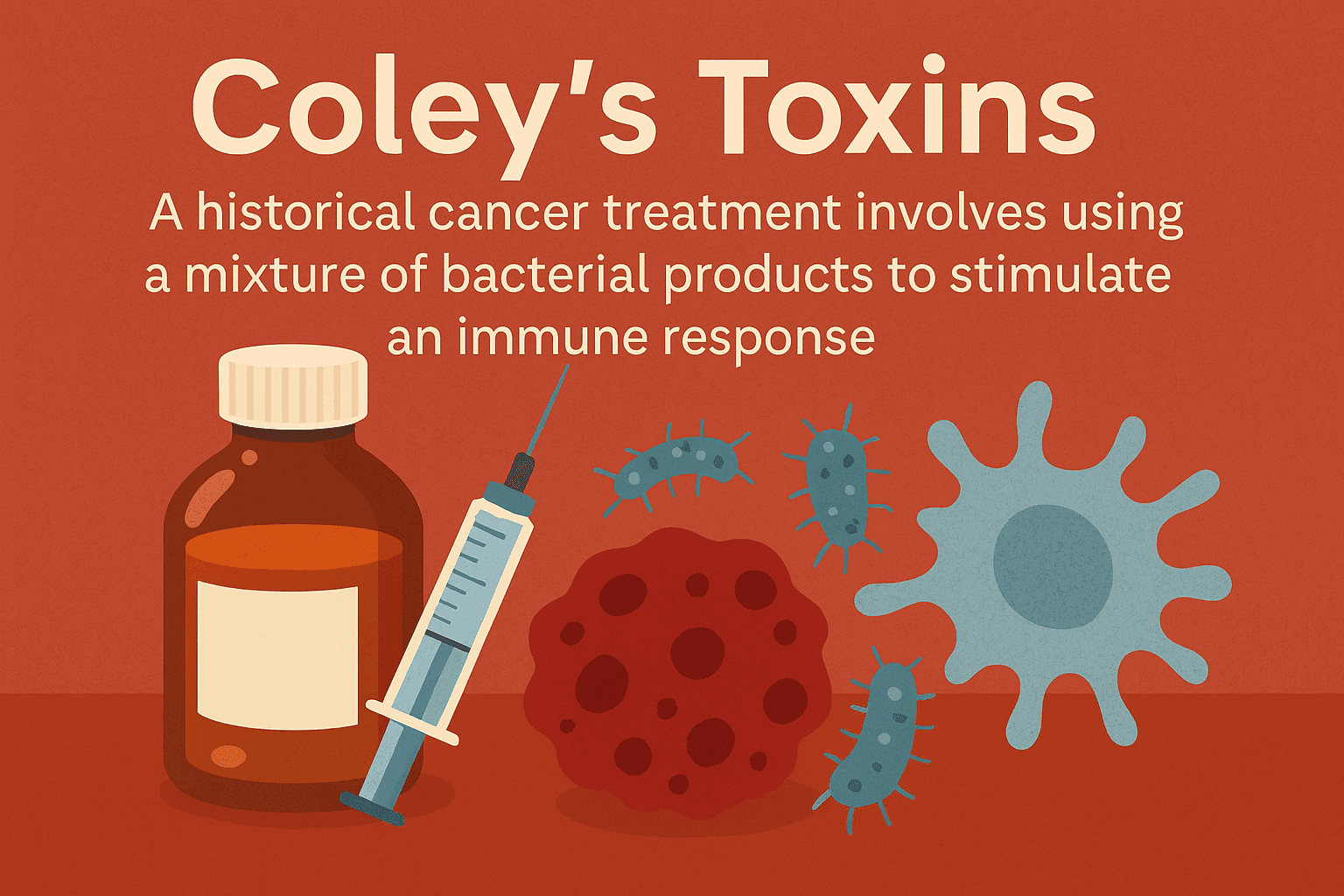
Explore the fascinating history of Coley's Toxins, one of the earliest forms of immunotherapy, and its impact on modern cancer treatment approaches.