
Loading articles...

When people get sick, they usually visit a doctor for help. But not all doctors treat the same kinds of illnesses. Some handle common health problems, like the flu or minor injuries, while others focus on serious and complex diseases. One type of doctor that specializes in adult health is an Internal Medicine physician, also called an internist. These doctors are highly trained to deal with complicated medical conditions, especially when a patient has more than one illness at the same time.
While both general practitioners (GPs) and internists can be primary care Doctors, there are some key differences between them. General practitioners treat people of all ages from babies to the elderly. They handle everyday health concerns and refer patients to specialists if needed. Internists, on the other hand, focus only on adults and specialize in diagnosing and treating chronic and complex diseases like heart disease, diabetes, and autoimmune disorders.
Internists complete a three-year residency after medical school, where they get Advanced training in adult medicine. Many of them work in hospitals, where they often handle difficult cases that other doctors can't easily solve. Doctors see thousands of patients with common illnesses every year, but sometimes they come across something extremely rare and difficult to Diagnose.
When people get sick, they usually visit a doctor for help. But not all doctors treat the same kinds of illnesses. Some handle common health problems, like the Flu or minor injuries, while others focus on serious and complex diseases. One type of doctor that specializes in adult health is an Internal Medicine physician, also called an internist. These doctors are highly trained to deal with complicated medical conditions, especially when a patient has more than one illness at the same time.
One case involved a patient with a high fever and a painful, itchy rash all over her body. At first, dermatologists (skin doctors) examined the patient, but they couldn't figure out the cause of the rash. So, they called in the internal medicine team for further investigation. After running tests and carefully reviewing the patient's symptoms, the internists identified the condition as Sweet's Syndrome, an uncommon inflammatory disorder that affects the skin.
One of the most shocking discoveries was that this syndrome is sometimes linked to blood cancer. Even though it's rare, certain types of blood cancer can cause skin related symptoms like rashes. Once the doctors figured out what was happening, they started chemotherapy, a treatment used to fight blood cancer. Over time, the patient's condition improved, and her rashes started to fade. Thanks to the teamwork between the internal medicine and dermatology departments, the doctors were able to correctly diagnose and treat her condition. This case highlights the critical role that internal medicine doctors play in healthcare. While general practitioners focus on common illnesses, internists are trained to diagnose and manage complex medical conditions. Sweet's Syndrome is just one example of how an internist's expertise can make a huge difference. By investigating rare diseases, connecting symptoms to hidden causes, and working with specialists, internists help patients get the right treatment even when the diagnosis is extremely challenging.

Hi! I'm Maliha Metla, a junior in high school passionate about medicine, community service, and creating meaningful change. Whether through my nonprofit work, medical internships, or local volunteering, I strive to help others and inspire hope in the communities I serve.
An occupational therapist (OT) is a healthcare professional who helps people of all ages improve their ability to do everyday activities. These people may have physical, mental, or developmental challenges that make daily tasks difficult. Occupational therapists work to support patients in important parts of life, such as self-care, work, school, and free time activities.

Psychiatrists are medical doctors who specialize in understanding and treating mental health disorders. Combining medicine, psychology, and neuroscience, they help individuals navigate emotional turmoil through therapy, medication, and compassionate care.
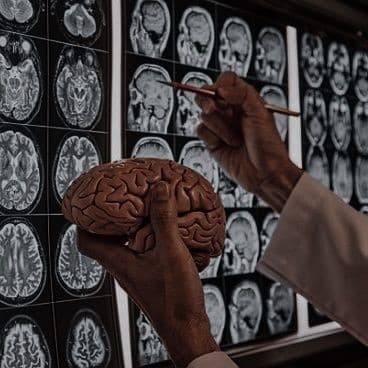
Neurosurgeons treat life-changing brain and spine conditions with precision and care. From years of training to complex surgeries, they stand at the crossroads of science, skill, and compassion.