
Loading articles...
An ophthalmic surgeon is a medical doctor who specializes in doing surgeries on the eyes and the visual system. They diagnose eye problems, treat them, and perform surgeries to fix or manage different eye conditions, diseases, and injuries.
Ophthalmic surgeons do eye exams to check for any issues. They perform many kinds of surgeries, including cataract removal, fixing the retina, and doing corneal transplants. They also teach patients about how to take care of their eyes and how to recover after surgery.
To become an ophthalmic surgeon, a person usually starts by getting a Bachelor's Degree in a science-related field. After that, they go to medical school for four years to become a doctor. Then, they must complete an ophthalmology residency, which is three to four years of special training focused on the eyes. Some surgeons also do a fellowship, which is an extra one to two years, to get even more specialized training, like learning more about retinal surgery or oculoplastics. After all of this, they have to pass medical board exams and get a license to be a doctor in their region. They also need to become board certified in ophthalmology, like through the American Board of Ophthalmology or similar boards in other countries. The path can be a little different depending on where in the world someone is studying.
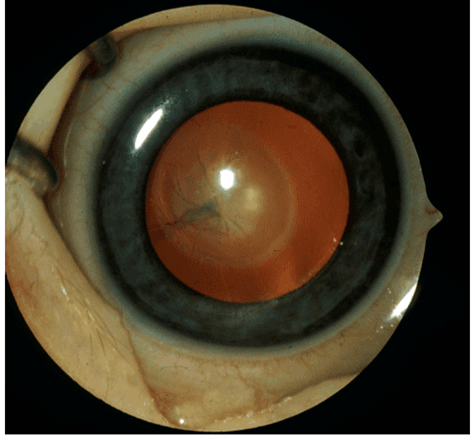
Persistent Fetal Vasculature, or PFV, is a condition that happens when certain blood vessels in the eye, which are supposed to disappear before birth, don't go away as they should. These leftover vessels can cause problems inside the eye, like making the lens cloudy, which is known as a cataract.
In this case, a 15-year-old patient had PFV in one eye. The condition led to the development of a cataract, which made it hard for the patient to see clearly.
To help the patient see better, a surgeon performed a cataract removal surgery. During the operation, the surgeon carefully took out the cloudy lens and addressed the issues caused by the persistent blood vessels.
After the surgery, the patient needed time to heal and follow-up care to ensure the eye recovered properly. The goal was to improve vision and prevent any further problems related to PFV.

Hi! I'm Maliha Metla, a junior in high school passionate about medicine, community service, and creating meaningful change. Whether through my nonprofit work, medical internships, or local volunteering, I strive to help others and inspire hope in the communities I serve.

An occupational therapist (OT) is a healthcare professional who helps people of all ages improve their ability to do everyday activities. These people may have physical, mental, or developmental challenges that make daily tasks difficult. Occupational therapists work to support patients in important parts of life, such as self-care, work, school, and free time activities.

Psychiatrists are medical doctors who specialize in understanding and treating mental health disorders. Combining medicine, psychology, and neuroscience, they help individuals navigate emotional turmoil through therapy, medication, and compassionate care.
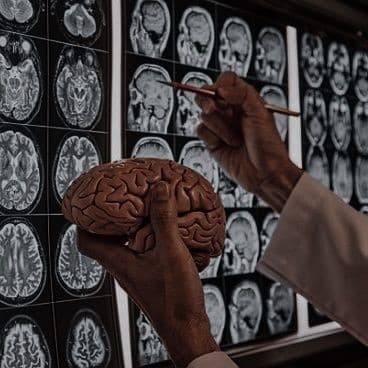
Neurosurgeons treat life-changing brain and spine conditions with precision and care. From years of training to complex surgeries, they stand at the crossroads of science, skill, and compassion.