
Loading articles...

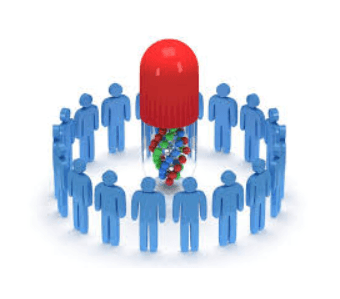
For most of modern history, medicine has been based on the idea of the average patient. Doctors used standard drug doses and treatment plans and expected them to work for most people. This approach can help in emergencies or simple infections, but it often does not work well for chronic diseases, cancer, or mental health conditions. People with the same diagnosis can react very differently to the same treatment.
Personalized medicine, also called precision medicine, focuses on what will work best for a specific person instead of what usually works for everyone. It recognizes that differences in genetics, lifestyle, and environment affect how diseases develop and how treatments work. As genetic testing and data tools improve, personalized medicine is becoming more common in hospitals and clinics.
One big reason treatments do not work the same for everyone is genetics. Small differences in DNA can affect how the body processes medications. Pharmacogenomics studies how these genetic differences change how drugs work and what side effects they cause. A normal drug dose can be too weak for one person and too strong for another.
For example, about 30 percent of people have a genetic variant that makes the blood thinner clopidogrel less effective, which can increase the risk of blood clots. Another example is warfarin, a drug used to prevent clots. Some people are very sensitive to it because of their genes, so a standard dose can cause dangerous bleeding. Because of this, the FDA recommends considering genetic testing before using warfarin.
In cancer treatment, drugs like trastuzumab are only effective in patients whose tumors have high levels of the HER2 protein. These examples show that without genetic information, doctors may give treatments that do not work well or may even be harmful.
Genes are important, but they are not the whole story. People with similar DNA can still have very different health outcomes because of lifestyle and environment. Diet, exercise, stress, sleep, pollution, and exposure to toxins all affect how diseases develop and how the body responds to medicine.
For example, two people with high blood pressure may need different treatments if one’s condition is mainly caused by stress and diet while the other has kidney problems. Personalized medicine looks at the full picture by combining genetic data with medical records, lab results, and patient habits. This allows doctors to adjust medications, recommend specific lifestyle changes, and focus on mental and social health instead of using the same plan for everyone.
Personalized medicine has clear benefits. Matching the right treatment to the right person can reduce side effects and improve how well treatments work. In cancer care, patients who receive treatments based on their tumor’s genetics often respond better than those who receive standard treatments.
However, there are challenges:
Unless access improves, personalized medicine may not benefit everyone equally.
Personalized medicine changes the idea that one treatment works for everyone with the same disease. By using genetic information along with lifestyle, environment, and personal health history, it treats patients as individuals instead of averages.
Examples like clopidogrel, warfarin, and HER2-targeted cancer treatments already show how personalized care can be safer and more effective. As technology continues to improve, medical care will likely become more personal and better suited to each individual.
The Jackson Laboratory. “What Is Personalized Medicine?” The Jackson Laboratory, www.jax.org/personalized-medicine/precision-medicine-and-you/what-is-precision-medicine. Accessed 1 Feb. 2026.
“Innovative Health Dallas: Personalized Medicine – Why One-Size-Fits-All Doesn’t Work Anymore.” Innovative Health Dallas, www.innovativehealthdallas.com/personalized-medicine-why-one-size-fits-all-doesnt-work-anymore. Accessed 1 Feb. 2026.
“Why One-Size-Fits-All Doesn’t Work: How Personalized Medicine Is Changing Healthcare.” Prime Direct Health, primedirecthealth.com/personalized-medicine-in-healthcare. Accessed 1 Feb. 2026.
Ingle, James N., et al. “Cancer Pharmacogenomics.” Cancer, U.S. National Library of Medicine, pmc.ncbi.nlm.nih.gov/articles/PMC3646359. Accessed 1 Feb. 2026.
“Table of Pharmacogenomic Biomarkers in Drug Labeling.” U.S. Food and Drug Administration, www.fda.gov. Accessed 1 Feb. 2026.

Asthma is a common chronic condition affecting the lungs and airways. Learn about its causes, triggers, and practical ways to manage symptoms effectively.

The idea of a “healthcare dream” for example becoming a nurse, doctor, surgeon, inspires many students, but unfortunately, the growing reality is that too many students lose interest in healthcare before they ever even begin.

The idea of a “healthcare dream” for example becoming a nurse, doctor, surgeon, inspires many students, but unfortunately, the growing reality is that too many students lose interest in healthcare before they ever even begin.