Loading articles...
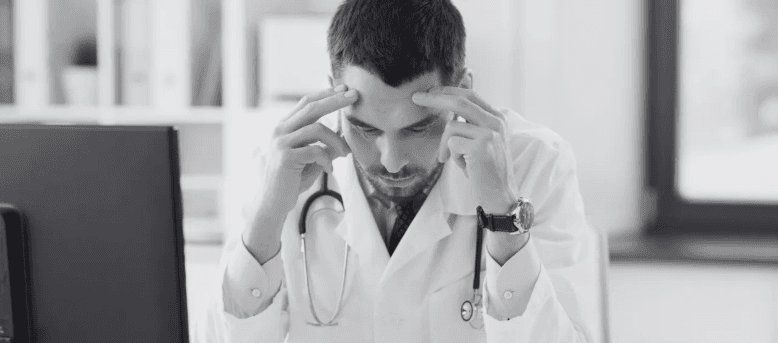
The idea of a “healthcare dream” — for example becoming a nurse, doctor, or surgeon — inspires many students, but unfortunately, the growing reality is that too many students lose interest in healthcare before they ever even begin. This is because of burnout, stress, and declining motivation. Research shows that burnout isn’t only a problem for practicing healthcare professionals; rather, it begins early in training. A study of pre-medical undergraduates found that higher burnout levels directly correlate with a drop in interest in medical careers, not because students lacked passion, but because stress and mental health struggles destroyed their aspirations over time. This problem threatens the future workforce at a time when healthcare systems are already dealing with staffing shortages.
Medical and healthcare education is well known to be notoriously demanding, and that intensity contributes to early burnout before students even get close to reaching the clinical stage. Burnout is characterized by emotional exhaustion and reduced self-efficacy. Studies find that burnout rates among medical students are driven by heavy workloads, exams, and psychological stressors inherent in healthcare training environments. When students start to feel overwhelmed by these expectations, many rethink their future in the field.
The connection between burnout and declining interest in healthcare careers is measurable. In another study of undergraduate pre-medical students, those reporting higher burnout scores and depressive symptoms were significantly more likely to say they were less interested in pursuing medicine over time. This means that the problem begins long before actual clinical training and affects students who may have otherwise become doctors or nurses. It also shows how mental health struggles don’t just make students unhappy — they can destroy passion and long-term career aspirations.
Burnout affects more than just medical students. Nursing students and many other allied health students show the same trends. Research on nursing student burnout directly relates to high academic pressure, low future professional confidence, and mental fatigue. When students feel unsupported or overwhelmed, they are more likely to disengage academically and reconsider their commitment to healthcare work. Therefore, providing students with a positive, engaging learning environment — along with strong mental health support and more realistic academic expectations — is essential.
Ultimately, the evidence is clear: higher burnout and depressive symptoms among students pursuing healthcare correspond with declining interest in healthcare careers, especially among women. To preserve the future workforce, educators and institutions must address this issue. Providing students with a positive, engaging environment to learn in — with strong mental health support and more realistic academic expectations — is a necessary solution.
Grace, Matthew K. “Depressive Symptoms, Burnout, and Declining Medical Career Interest among Undergraduate Pre-Medical Students.” International Journal of Medical Education, vol. 9, 2018, pp. 302–308.
https://doi.org/10.5116/ijme.5be5.8131
Accessed 2 Feb. 2026.
Kiss, Hedvig, and Bettina F. Pikó. “Risk and Protective Factors of Student Burnout among Medical Students: A Multivariate Analysis.” BMC Medical Education, vol. 25, no. 56, 2025.
https://bmcmededuc.biomedcentral.com/articles/10.1186/s12909-025-06956-8
Accessed 2 Feb. 2026.
“Medical Student Distress Rises amid Overall Healthcare Burnout Improvement.” OR Manager, 2025.
https://www.ormanager.com/briefs/report-medical-student-distress-rises-amid-overall-healthcare-burnout-improvement/
Accessed 2 Feb. 2026.
Zhang, Yanan, et al. “Status and Influencing Factors of Academic Burnout among Undergraduate Nursing Students.” BMC Nursing, vol. 24, no. 102, 2025.
https://bmcnurs.biomedcentral.com/articles/10.1186/s12912-025-04036-2
Accessed 2 Feb. 2026.
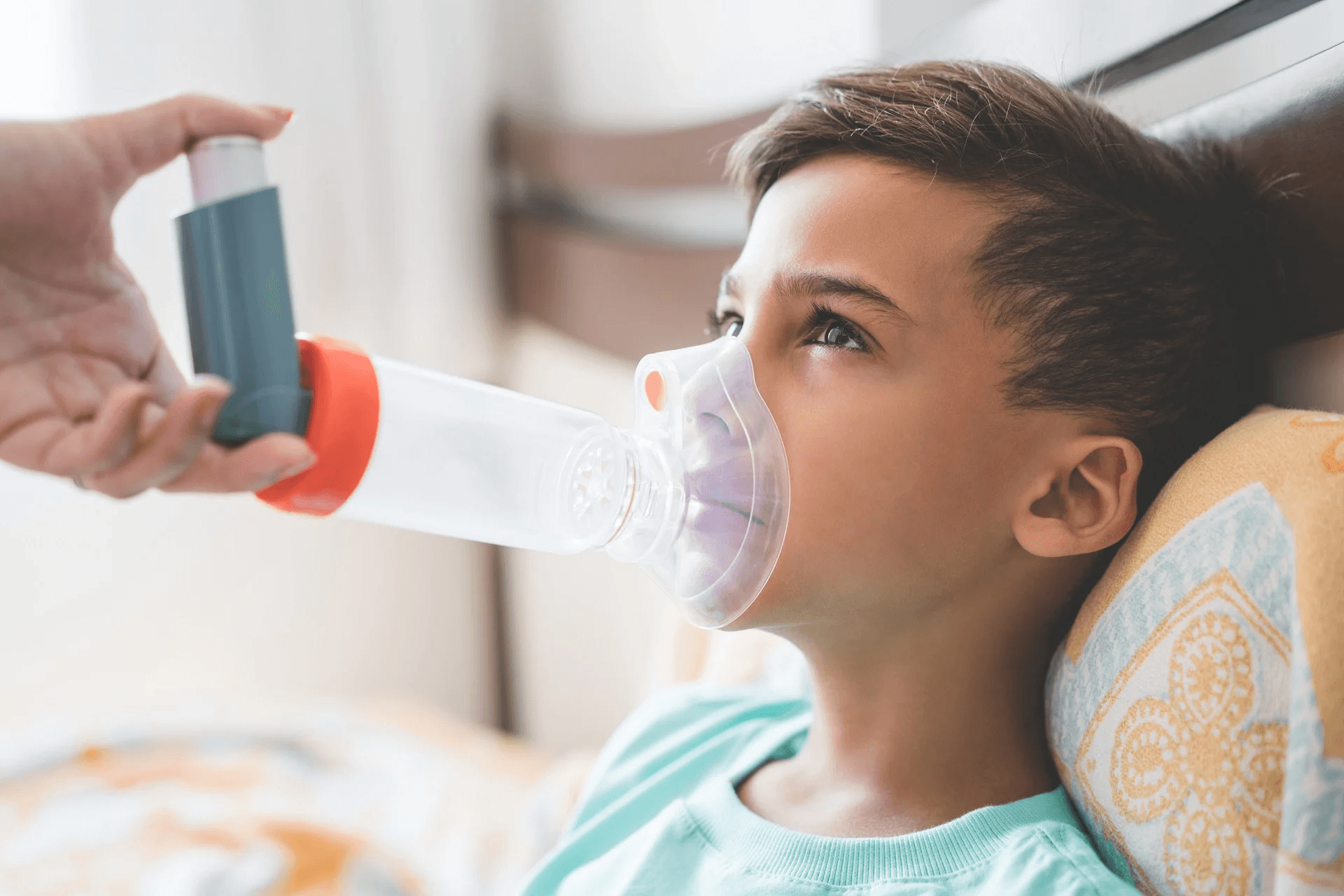
Asthma is a common chronic condition affecting the lungs and airways. Learn about its causes, triggers, and practical ways to manage symptoms effectively.
The idea of a “healthcare dream” for example becoming a nurse, doctor, surgeon, inspires many students, but unfortunately, the growing reality is that too many students lose interest in healthcare before they ever even begin.
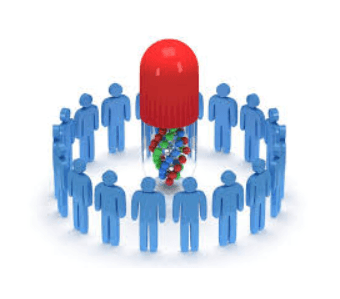
For most of modern history, medicine has been based on the idea of the average patient. Doctors used standard drug doses and treatment plans and expected them to work for most people.