
Loading articles...

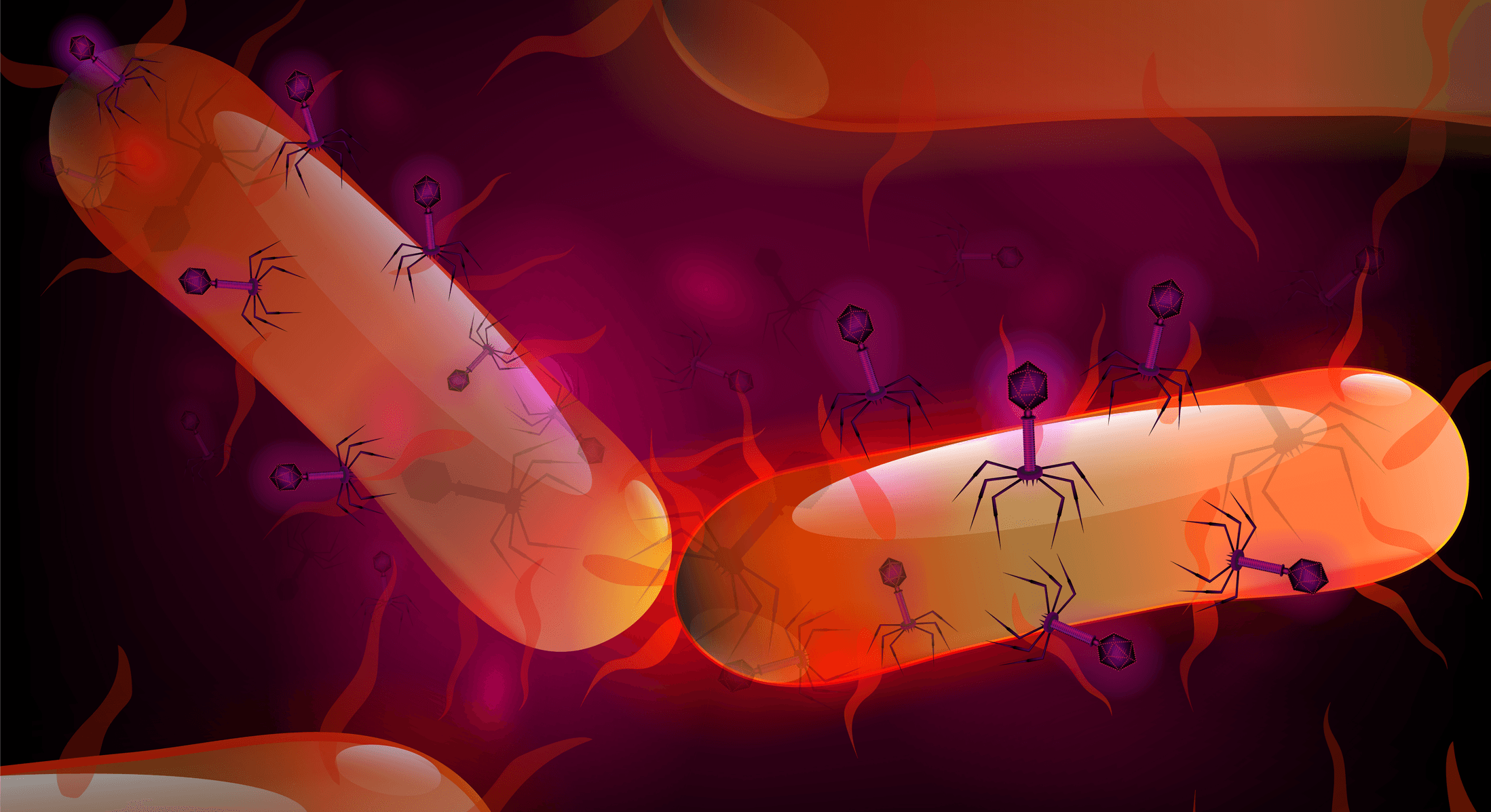
Hidden deep in the human intestine is a secret universe ruled by bacteriophages, or “phages.” These are viruses that infect bacteria, with an estimated ten phages for each bacterial cell in the gut. Though invisible and often overlooked, phages are crucial for maintaining a healthy gut ecosystem. They control which bacteria survive, how bacteria interact, and how our bodies respond to infection and inflammation.
Phages are essential regulators of the microbiome, the vast community of bacteria in our intestines. By infecting and lysing pathogenic bacteria, phages help maintain balance in the gut, supporting both digestion and immune function (Clokie et al., 2011). When this balance is disrupted—a state called dysbiosis—it can lead to gut disorders and chronic ailments like inflammatory bowel disease (IBD). Research shows phages naturally target problematic bacterial strains, helping restore microbial balance (Shkoporov & Hill, 2019).
Phages are emerging as a promising tool in phage therapy, which uses specific phages to target antibiotic-resistant bacteria (Kortright et al., 2019). Unlike broad-spectrum antibiotics, phages can attack harmful bacteria while leaving beneficial bacteria intact. This precision offers a potential revolution in treating infectious diseases, especially those no longer responsive to traditional drugs, and could transform how we manage gut-related illnesses and microbial diseases.
Though phage science is still in its infancy, their potential is enormous. These tiny viruses act as invisible protectors, policing microbial balance to maintain health. Understanding how phages influence immunity, digestion, and disease prevention could unlock new ways to enhance human health.

Asthma is a common chronic condition affecting the lungs and airways. Learn about its causes, triggers, and practical ways to manage symptoms effectively.
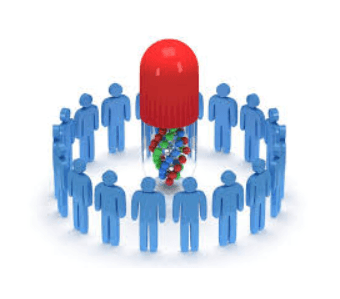
For most of modern history, medicine has been based on the idea of the average patient. Doctors used standard drug doses and treatment plans and expected them to work for most people.

The idea of a “healthcare dream” for example becoming a nurse, doctor, surgeon, inspires many students, but unfortunately, the growing reality is that too many students lose interest in healthcare before they ever even begin.