Loading articles...
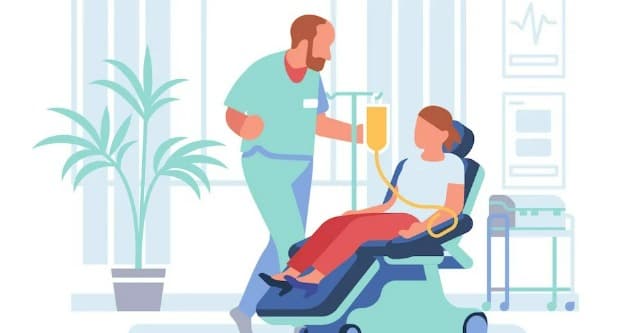
Chemotherapy is a type of cancer treatment that uses drugs to kill cancer cells. These drugs target cells that grow and divide quickly. Since cancer cells grow faster than most normal cells, chemotherapy focuses on stopping them. However, some healthy cells—like those in the hair, digestive system, and bone marrow—also divide quickly, so they can be affected too. This leads to side effects like hair loss, nausea, tiredness, and a higher risk of infections.
Chemotherapy drugs interfere with how cancer cells grow and divide. Since cancer cells multiply without control, these drugs are designed to slow or stop this growth. Unfortunately, because the drugs also affect healthy fast-dividing cells, side effects often occur in other parts of the body.
There are several classes of chemotherapy drugs, each working in unique ways:
Chemotherapy is used in various ways:
Because chemotherapy impacts healthy fast-growing cells, common side effects include:
Chemotherapy can be administered in different forms:
Chemotherapy remains a powerful tool in the fight against cancer, and ongoing research continues to improve its precision and reduce its side effects.
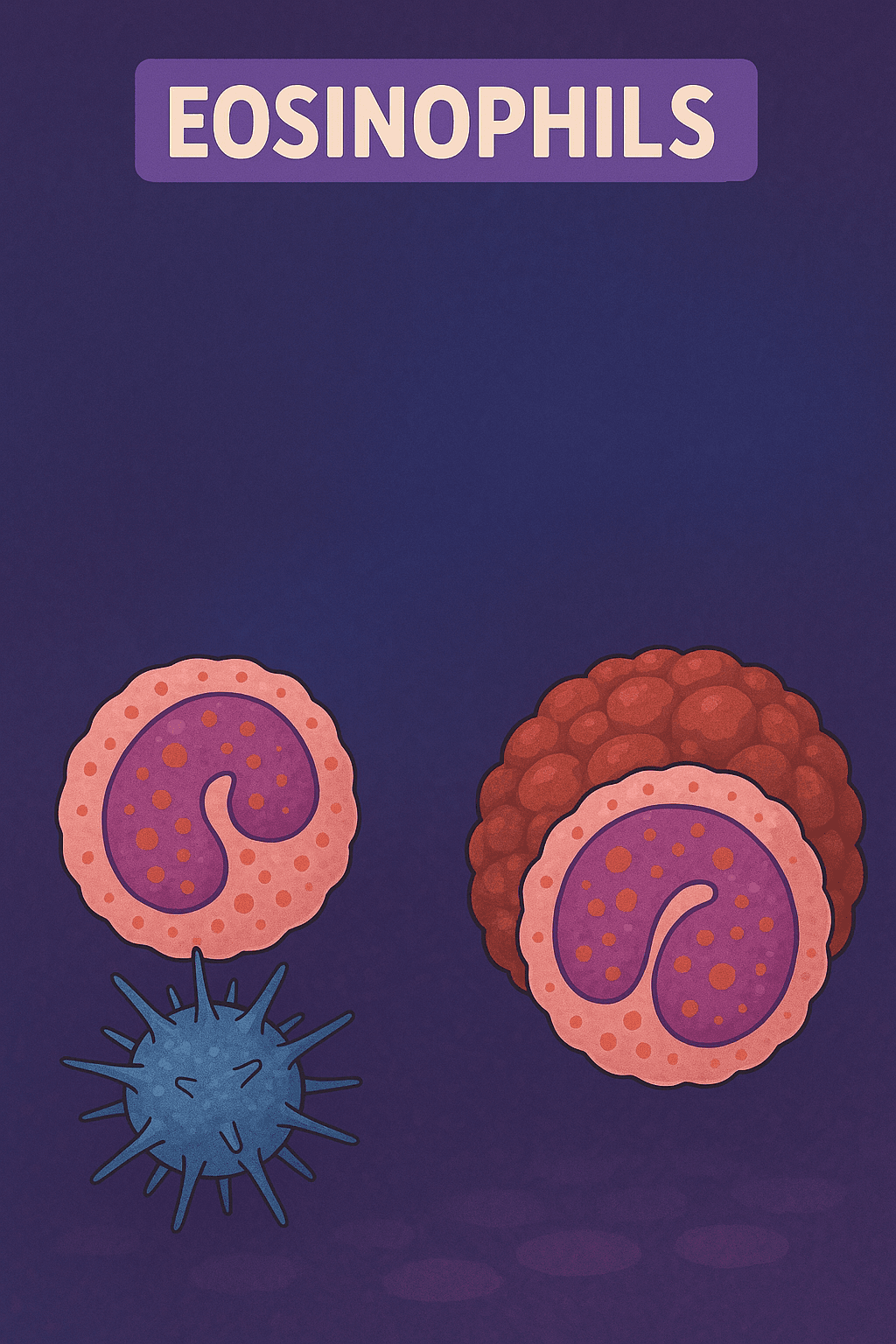
Explore how eosinophils, once known for their role in allergies and parasites, are now influencing cancer outcomes—sometimes acting as defenders, other times as accomplices in tumor progression.
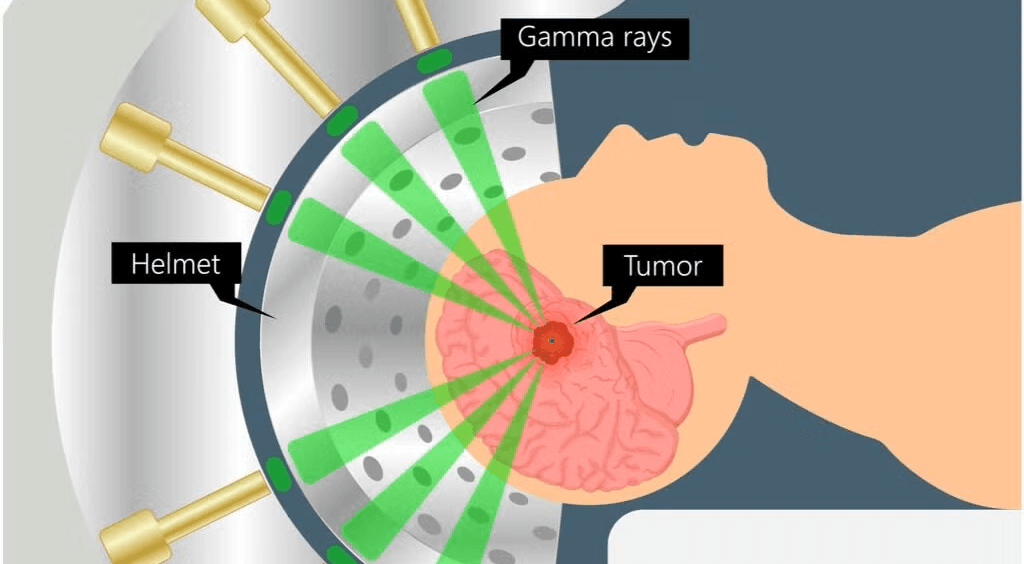
Stereotactic Radiosurgery (SRS) is a non-invasive cancer treatment that uses precise, high-dose radiation beams to target tumors, especially in the brain, spine, and lungs. It delivers focused radiation with minimal damage to healthy tissue, often in just 1–5 sessions. SRS is ideal for small, well-defined tumors and offers quick recovery, though it's not suitable for larger or widespread cancers.
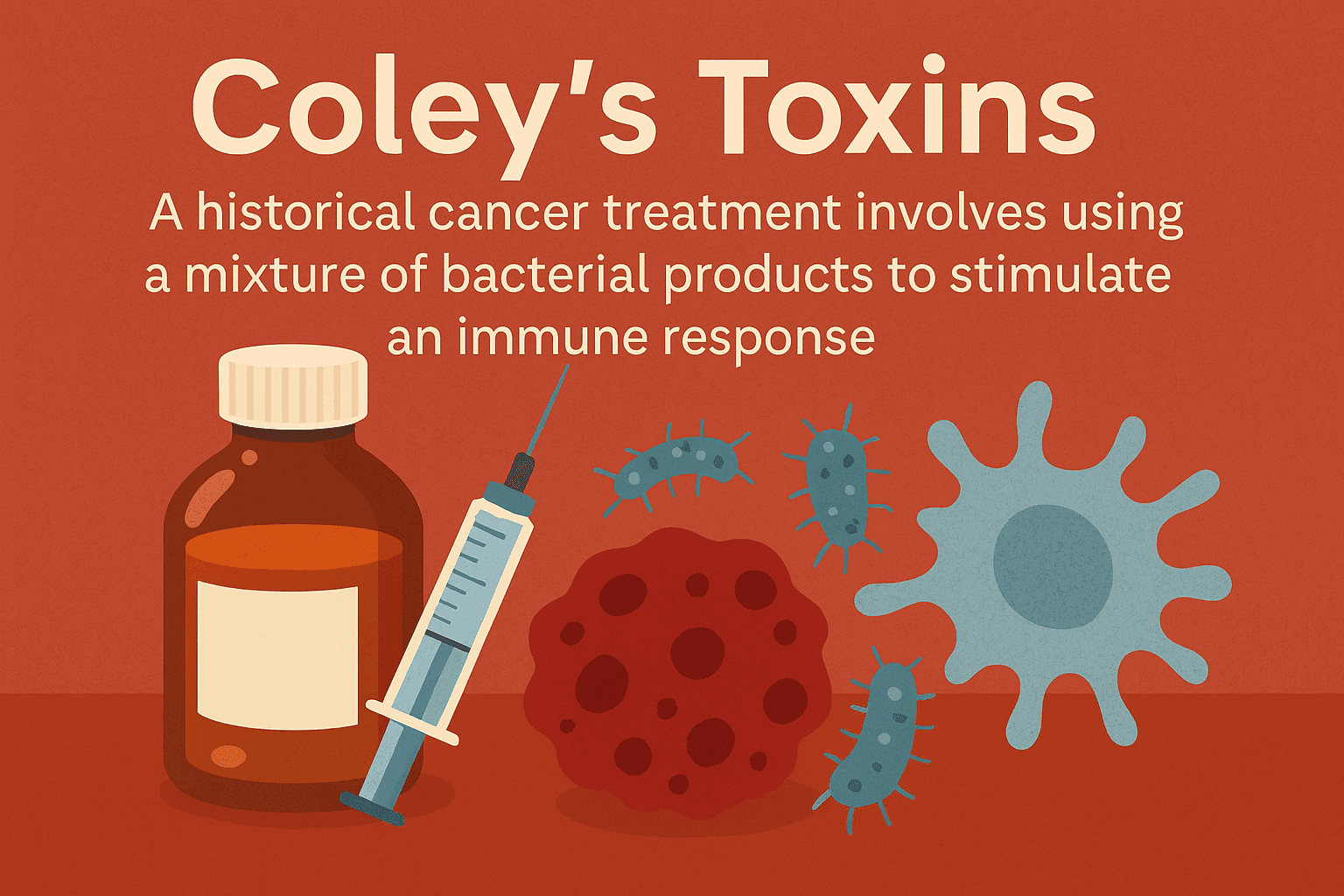
Explore the fascinating history of Coley's Toxins, one of the earliest forms of immunotherapy, and its impact on modern cancer treatment approaches.